
by vellorecity | Jun 22, 2026 | Health, News
Experiencing back pain along with gas or bloating is fairly common and is often caused by minor digestive issues. However, persistent or severe symptoms may require medical attention.
Common Causes
– Hormonal changes: Menstruation, menopause, or hormone therapy can cause bloating and lower back pain.
– Pregnancy: Hormonal changes and the growing uterus may lead to gas, constipation, and back discomfort.
– Back injuries: Conditions like herniated discs or spinal injuries can sometimes affect digestion.
– Stress and anxiety: Stress can tighten muscles, increase pain sensitivity, and slow digestion, leading to trapped gas and bloating.
Less Common but Serious Causes
– Pancreatic cancer
– Liver disorders
– Abdominal aortic aneurysm
– Bowel obstruction or severe abdominal infections
These conditions are rare but require immediate medical care.
Can Gas Cause Back Pain?
Yes. Severe trapped gas can create abdominal pressure that radiates to the back, causing discomfort even though the pain originates in the digestive tract.
Simple Ways to Find Relief
– Drink plenty of water
– Get adequate rest
– Try deep breathing exercises
– Use over-the-counter anti-gas medications if appropriate
– Avoid foods that trigger bloating
When to Seek Medical Help
See a doctor if:
– Symptoms last more than a few days
– Pain becomes severe or sudden
– There is rectal bleeding
– You have a serious underlying medical condition
– Symptoms occur after a major injury
Key Takeaway
Most cases of back pain and bloating are temporary and manageable, but persistent, worsening, or severe symptoms should be evaluated by a healthcare professional to rule out serious conditions.
Disclaimer
This article is for informational purposes only and is not a substitute for professional medical advice, diagnosis, or treatment. Consult a qualified healthcare professional for persistent or severe symptoms.

by vellorecity | Jun 20, 2026 | Health, News
Keeping your brain active is just as important as staying physically fit. Research suggests that certain activities may help improve memory, focus, and mental agility at any age.
Brain-Boosting Activities to Try
– Solve puzzles: Jigsaw puzzles challenge memory and problem-solving skills.
– Expand your vocabulary: Learning and using new words stimulates different parts of the brain.
– Dance regularly: Learning new moves can enhance memory and processing speed.
– Engage your senses: Activities like cooking or visiting a market stimulate multiple senses at once.
– Learn a new skill: Picking up a hobby, instrument, or software can strengthen brain connections.
– Teach others: Explaining a skill to someone else reinforces your own learning.
– Listen to or play music: Music-based activities may help maintain cognitive function.
– Change your routine: Taking a different route or trying new experiences keeps the brain engaged.
– Practice meditation: Regular meditation may improve focus and reduce stress.
– Learn a new language: It can boost memory and cognitive flexibility.
– Try tai chi: Combining movement and mental focus may support brain health.
– Pay attention to details: Observing and recalling small details can sharpen memory.
Key Takeaway
Keeping your mind active through learning, movement, and new experiences may help maintain memory, concentration, and overall brain health as you age.
Disclaimer
This article is for informational purposes only and is not a substitute for professional medical advice. Consult a healthcare professional for concerns about memory, cognitive health, or neurological conditions.

by vellorecity | Jun 18, 2026 | Health, News
The rainy season brings cooler weather, but it can also increase the risk of infections and discomfort for newborns. Since babies have developing immune systems, extra care is important during monsoon months.
Common Monsoon Health Risks for Babies
– Cough and cold
– Chest congestion
– Blocked or runny nose
– Skin rashes and irritation
– Stomach infections
– Mosquito-borne illnesses
Simple Ways to Protect Your Baby
Keep Your Baby Clean and Dry
Moisture can cause skin irritation and rashes. Gently dry your baby`s skin regularly and change damp clothes promptly.
Maintain a Clean Home
Wet weather can bring dirt and germs indoors. Keep floors, rooms, and baby areas clean, and watch for damp spots that may encourage mold growth.
Prevent Mosquito Bites
Remove stagnant water around the house and use baby-safe mosquito protection measures to reduce the risk of mosquito-borne diseases.
Practice Good Hand Hygiene
Parents and caregivers should wash their hands frequently. Babies` hands should also be cleaned regularly, especially since they often put them in their mouths.
Keep the Room Comfortable
Sudden temperature drops can make babies uncomfortable. Ensure the room stays warm and cozy without becoming too humid.
Stay Updated on Vaccinations
Follow your pediatrician`s recommended vaccination schedule to help protect your baby from preventable illnesses.
Key Takeaway
A clean environment, proper hygiene, mosquito protection, and maintaining a comfortable indoor temperature can help keep newborns safe and healthy throughout the rainy season.
Disclaimer
This article is for informational purposes only and should not be considered medical advice. Parents should consult a qualified pediatrician for guidance specific to their child`s health and needs.
by Interns_team | Jun 17, 2026 | Health, News
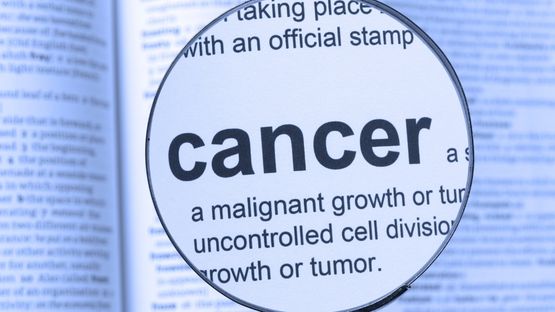
Blood cancer can develop in different forms, including leukemia, lymphoma, and myeloma. While symptoms vary, recognizing early warning signs can help with timely medical evaluation.
Common Symptoms
– Unexplained bruising or bleeding
– Persistent fatigue that doesn`t improve with rest
– Frequent infections or recurring fever
– Unexplained weight loss
– Bone or joint pain
– Shortness of breath
– Night sweats that soak clothing or bedding
– Pale skin appearance
– Swollen lymph nodes or painless lumps in the neck, armpits, or groin
– Abdominal discomfort, bloating, or feeling full quickly
– Persistent skin rashes or itching without a clear cause
Urgent Symptoms Requiring Immediate Attention
Seek emergency medical help if you experience:
– Severe breathing difficulties
– Sudden vision changes
– Confusion or neurological symptoms
– Seizures
– Loss of muscle control
– Persistent vomiting
When to See a Doctor
If any of these symptoms are unexplained, persistent, or worsening, consult a healthcare professional. Many of these symptoms can be caused by conditions other than blood cancer, but medical evaluation is important to determine the cause.
Disclaimer
This article is for informational purposes only and should not be considered medical advice, diagnosis, or treatment. If you have any concerning symptoms, consult a qualified healthcare professional for proper evaluation and guidance.

by Interns_team | Jun 16, 2026 | Health, News
Rubbing your eyes may provide temporary relief from itching or irritation, but doing it too often can lead to eye problems and even increase the risk of damage.
Why Do People Rub Their Eyes?
Common causes include:
– Allergies
– Eye infections
– Dry eyes
– Eye strain from screens
– Irritated eyelids
– Dust or foreign particles in the eye
– Colds and sinus issues
These conditions can cause itching, discomfort, or a burning sensation that triggers the urge to rub.
Can Rubbing Your Eyes Be Harmful?
Yes. Frequent or forceful eye rubbing may:
– Irritate the eyes further
– Spread germs and increase infection risk
– Damage the eye`s surface
– Cause redness and inflammation
– Lead to temporary blurry vision
Signs You Should Seek Medical Advice
Consult an eye specialist if you experience:
– Persistent eye pain
– Light sensitivity
– Blurred or reduced vision
– Severe redness or swelling
– Frequent irritation that doesn`t improve
How to Reduce the Urge to Rub Your Eyes
– Use lubricating eye drops if recommended
– Apply a clean warm compress
– Treat allergies or underlying eye conditions
– Take regular breaks from digital screens
– Keep your hands clean and avoid touching your eyes
Bottom Line
Occasional eye rubbing is common, but making it a habit can increase irritation and potentially harm your eyes. Identifying and treating the underlying cause is the best way to keep your eyes comfortable and healthy.
Disclaimer
This content is for informational purposes only and should not be considered medical advice. Consult a qualified eye care professional for persistent eye symptoms or concerns.

by Interns_team | Jun 15, 2026 | Health, News
What Is Neck Pain?
Neck pain, or cervicalgia, is pain or stiffness in the neck area. It can stay in the neck or spread to the shoulders and arms.
Common Symptoms
– Persistent aching or stiffness
– Sharp or burning pain
– Headaches
– Difficulty turning the head
– Numbness or tingling in the arms
Main Causes
– Poor posture, especially during computer or phone use
– Muscle strain from repetitive activities
– Stress and tension
– Injuries such as whiplash
– Age-related changes in the spine
How It Is Treated
– Pain relievers or anti-inflammatory medicines
– Physical therapy and stretching exercises
– Heat or ice packs
– Stress reduction and posture correction
– In some cases, injections or surgery may be needed
When to See a Doctor
– Pain lasts more than a week
– It follows an accident or injury
– You have weakness, numbness, or tingling
– Pain comes with fever, dizziness, or severe headache
Quick Prevention Tips
– Keep screens at eye level
– Maintain good posture
– Take breaks from sitting
– Sleep with a supportive pillow
– Strengthen neck and upper back muscles
Most neck pain improves with simple care and healthy habits.