
by vellorecity | Jul 25, 2026 | Health, News
Waking up with a headache can be frustrating and may be linked to poor sleep, dehydration, or certain underlying health conditions. While occasional morning headaches are usually not serious, frequent or severe headaches should be evaluated by a healthcare professional.
Common Causes of Morning Headaches
– Sleep disorders: Conditions like sleep apnea, insomnia, or poor-quality sleep can trigger headaches after waking.
– Teeth grinding (Bruxism): Clenching or grinding your teeth during sleep may cause pain around the temples and jaw.
– Dehydration: Not drinking enough water can contribute to headaches, especially after a night`s sleep.
– Migraine or tension headaches: Some headache disorders are more likely to occur in the early morning.
– Stress, anxiety, or depression: Mental health conditions can affect sleep quality and increase the risk of morning headaches.
– Alcohol consumption: Drinking alcohol can disrupt sleep, cause dehydration, and lead to headaches the next morning.
How to Help Prevent Morning Headaches
– Stay hydrated throughout the day.
– Get 7-9 hours of quality sleep on a regular schedule.
– Create a cool, dark, and quiet sleeping environment.
– Limit screen time before bedtime.
– Exercise regularly to support overall health and reduce headache frequency.
– Eat regular meals to avoid low blood sugar.
– If you grind your teeth, ask your dentist about a night guard.
When to See a Doctor
Seek medical advice if your headaches:
– Occur several times a week
– Become more severe or persistent
– Interfere with daily activities
– Change in pattern or wake you from sleep
– Require pain medication frequently
Seek Emergency Care Immediately If a Headache Is Accompanied By:
– Fever or repeated vomiting
– Confusion or personality changes
– Stiff neck
– Blurred or double vision
– Balance problems
– Seizures
Disclaimer
This article is for informational purposes only and is nonot a substitute for professional medical advice, diagnosis, or treatment. If you experience persistent, severe, or worsening morning headaches, consult a qualified healthcare professional for proper evaluation.
by vellorecity | Jul 24, 2026 | Health, News
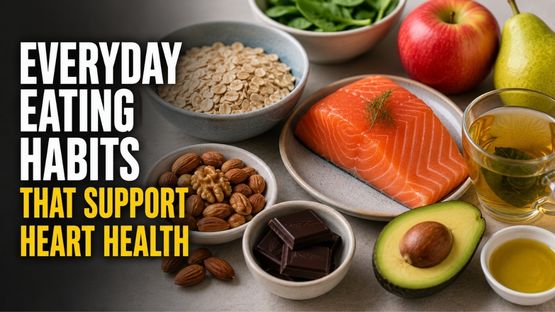
A heart-friendly diet can help lower the risk of heart disease and improve overall well-being. Along with regular exercise and healthy lifestyle habits, making smart food choices can support long-term heart health.
Eat More Fiber-Rich Foods
Include foods such as oats, barley, beans, apples, pears, leafy greens, and vegetables. Fiber may help lower LDL (“bad”) cholesterol and support heart health.
Don`t Skip Breakfast
A balanced breakfast with whole grains, healthy protein, and healthy fats can help maintain energy levels and support a healthy weight.
Choose Omega-3 Rich Fish
Fish like salmon, sardines, tuna, and mackerel provide omega-3 fatty acids that support heart health. Aim for two servings per week, if appropriate.
Enjoy Nuts in Moderation
Almonds, walnuts, and other nuts contain healthy fats, protein, and fiber. Eat moderate portions since they are also high in calories.
Reduce Salt Intake
Limiting salt, especially from processed and fast foods, may help maintain healthy blood pressure.
Choose Healthy Fats
Replace foods high in saturated fat with healthier options such as avocados, olive oil, nuts, seeds, and eggs.
Drink Tea in Moderation
Some studies suggest that 1-3 cups of tea daily may be associated with a lower risk of certain heart problems when included as part of a healthy lifestyle.
Enjoy Dark Chocolate Occasionally
Dark chocolate contains flavonoids, antioxidants that may support heart health. Choose dark chocolate with a higher cocoa content and enjoy it in moderation.
Maintain a Healthy Weight
Managing excess body weight through balanced eating and regular physical activity can help reduce the risk of high blood pressure and unhealthy cholesterol levels.
Disclaimer
This article is for informational purposes only and is not a substitute for professional medical advice, diagnosis, or treatment. Always consult a qualified healthcare professional for personalized advice on heart health and nutrition.
by vellorecity | Jul 23, 2026 | Health, News
A calming bedtime yoga routine may help your body relax and prepare for sleep. Gentle stretches combined with slow breathing can reduce muscle tension, ease stress, and promote a more restful night.
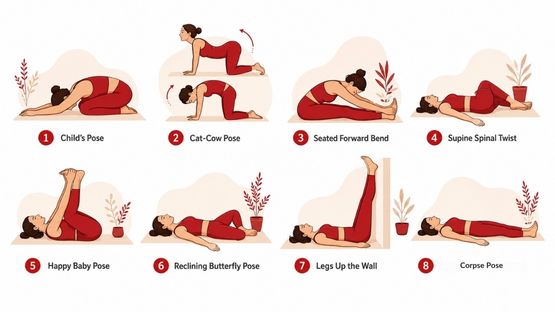
Yoga Poses to Try Before Bed
– Child`s Pose: Relaxes the back, hips, and shoulders.
– Cat-Cow Pose: Gently loosens the spine and encourages slow, steady breathing.
– Seated Forward Bend: Helps release tension in the back and legs while calming the mind.
– Supine Spinal Twist: Eases stiffness in the lower back and improves relaxation.
– Happy Baby Pose: Gently stretches the hips and lower back.
– Reclining Butterfly Pose: Opens the hips and promotes deep relaxation.
– Legs Up the Wall: May reduce leg fatigue and help quiet a busy mind.
– Corpse Pose (Savasana): Encourages full-body relaxation before sleep.
Tips for a Better Bedtime Routine
– Hold each pose for 1-3 minutes without forcing the stretch.
– Focus on slow, deep breathing throughout the practice.
– Practice in a quiet, dimly lit room to create a relaxing environment.
– If racing thoughts are keeping you awake, relaxation techniques such as Yoga Nidra or meditation may also be helpful.
Disclaimer
This article is for informational purposes only and is not a substitute for professional medical advice, diagnosis, or treatment. If you have ongoing sleep problems, pain, or a medical condition, consult a qualified healthcare professional before starting a new exercise or yoga routine.

by vellorecity | Jul 22, 2026 | Health, News
World Brain Day is observed every year on July 22 to raise awareness about brain health, encourage the early detection of neurological disorders, and promote healthy lifestyle habits that support cognitive well-being.
The day highlights the importance of protecting brain health throughout life, as the brain controls memory, movement, thinking, emotions, coordination, breathing, heart rate, and other essential body functions.
Common Brain Disorders and Early Warning Signs
Several neurological conditions can be identified early if symptoms are recognised in time:
– Stroke: Sudden weakness on one side of the body, slurred speech, dizziness, and vision problems.
– Alzheimer`s disease: Memory loss, confusion, difficulty finding words, and changes in mood or personality.
– Parkinson`s disease: Tremors, slowed movement, muscle stiffness, changes in handwriting, and speech.
– Epilepsy: Recurring seizures, brief confusion, unusual sensations, or staring spells.
– Multiple Sclerosis (MS): Numbness, fatigue, vision problems, and poor coordination.
– Brain tumours: Persistent headaches, nausea, vision changes, and unexplained behavioural or mood changes.
Simple Ways to Improve Brain Health
Experts recommend adopting healthy daily habits to reduce the risk of neurological disorders and maintain cognitive function:
– Eat a balanced diet rich in fruits, vegetables, whole grains, nuts, and healthy fats.
– Exercise regularly to improve blood flow to the brain.
– Get 7-9 hours of quality sleep every night.
– Keep the brain active through reading, puzzles, learning new skills, or memory games.
– Manage stress with activities such as meditation, yoga, or deep breathing.
– Avoid smoking and limit alcohol consumption.
– Undergo regular health check-ups to detect neurological problems early.
Mental Health Matters
Mental well-being plays a vital role in brain health. Managing stress, anxiety, and emotional health can improve memory, concentration, sleep quality, emotional resilience, and overall cognitive function.
World Brain Day serves as a reminder that early awareness, healthy lifestyle choices, and timely medical attention can help prevent or better manage many neurological conditions, leading to healthier lives and improved quality of life.

by vellorecity | Jul 21, 2026 | Health, News
Eggs are a high-quality source of protein and provide several important nutrients. While many people choose only egg whites to reduce fat and calories, whole eggs can also be part of a healthy weight-loss diet when eaten in moderation.
Whole Eggs vs. Egg Whites
Egg whites are rich in protein and contain very little fat or calories. However, egg yolks provide many essential nutrients, including:
– Vitamin D
– Vitamin B12
– Vitamin B2
– Iron
– Healthy fats
– Choline, which supports brain and liver health
Are Egg Yolks Unhealthy?
Egg yolks contain cholesterol, but current research suggests that dietary cholesterol has less effect on blood cholesterol for most healthy people than once believed. For many individuals, eating eggs in moderation does not increase the risk of heart disease.
If you have high cholesterol, diabetes, or a heart condition, it`s best to follow your healthcare provider`s dietary advice.
Which Is Better for Weight Loss?
– Egg whites are lower in calories and are a good option for increasing protein intake.
– Whole eggs provide protein along with healthy fats and nutrients that may help keep you feeling full for longer.
For most healthy adults, including 1-2 whole eggs as part of a balanced diet can support weight management without sacrificing important nutrients.
Disclaimer
This article is for informational purposes only and is not a substitute for professional medical advice, diagnosis, or treatment. Nutritional needs vary from person to person, so consult a qualified healthcare professional or registered dietitian before making significant dietary changes.

by vellorecity | Jul 20, 2026 | Health, News
Introducing solid foods is an important milestone that usually begins when a baby is around 4 to 6 months old and shows signs of readiness. These include sitting with minimal support, having good head control, bringing objects to the mouth, and showing interest in food.
What Parents Should Do
– Start slowly with soft, single-ingredient foods such as iron-fortified cereal, mashed vegetables, fruit, beans, or pureed meat.
– Introduce one new food at a time so possible allergic reactions are easier to identify.
– Continue breast milk or infant formula as the baby’s main source of nutrition until about 12 months.
– Include iron-rich foods, particularly after 6 months.
– Serve food in soft, age-appropriate textures and increase thickness gradually.
– Let the baby decide how much to eat and stop when they turn away, close their mouth, or lose interest.
– Keep the baby seated upright and supervise every meal.
– Allow safe touching, spilling, and self-feeding as part of learning.
What Parents Should Avoid
– Do not put cereal or other solid foods in a bottle because this may increase the risk of choking.
– Avoid honey before 12 months, as well as raw or unpasteurized dairy, undercooked meat, seafood, and eggs.
– Do not give whole cow’s milk as a main drink before the first birthday.
– Avoid foods with added salt or sugar during the first year.
– Do not serve choking hazards such as whole grapes, popcorn, nuts, hard raw vegetables, large meat pieces, or whole hot dogs.
– Do not feed directly from a storage jar and return the used spoon to it, as this can introduce bacteria.
Common allergenic foods do not always need to be delayed, but they should be introduced in safe forms and one at a time. Parents should discuss timing with a pediatrician, especially when a baby has eczema, an existing allergy, or another medical condition.
Disclaimer
This article is for informational purposes only and is not a substitute for professional medical advice, diagnosis, or treatment. Consult a qualified pediatrician or dietitian for guidance based on your baby’s development and health needs.