by vellorecity | Jul 2, 2026 | Health, News
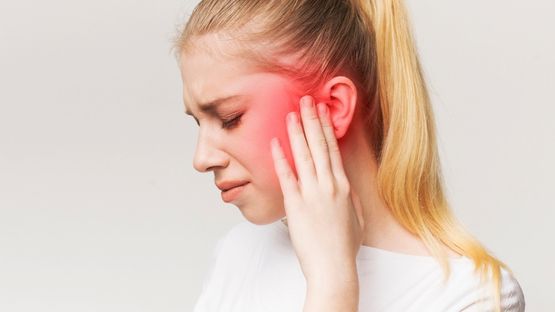
Ear pain, also known as earache or otalgia, is a common symptom that affects people of all ages. It may be caused by an ear infection, pressure changes, or other underlying health conditions. The pain can range from mild discomfort to severe, sharp pain and may be constant or come and go. While most cases are not serious, persistent or recurring ear pain should be evaluated by a healthcare professional.
What Is Ear Pain?
Ear pain is discomfort felt in or around the ear. It can occur due to problems within the ear itself or because of conditions affecting nearby areas such as the throat, teeth, jaw, or sinuses. Depending on the cause, the pain may feel dull, aching, sharp, burning, or throbbing.
Healthcare providers classify ear pain into two types:
– Primary ear pain: Pain that originates from the ear.
– Secondary (referred) ear pain: Pain caused by conditions affecting nearby structures that share the same nerve pathways as the ear.
Common Causes of Ear Pain
Primary Ear Pain
Ear pain that starts in the ear may result from:
– Ear infections (middle or inner ear)
– Swimmer`s ear (outer ear infection)
– Earwax buildup
– Eustachian tube dysfunction
– Sudden air or water pressure changes (barotrauma)
– A ruptured eardrum
– A foreign object trapped inside the ear
Secondary Ear Pain
Sometimes the source of pain is outside the ear, including:
– Colds and viral infections
– Seasonal allergies
– Sinus infections (sinusitis)
– Sore throat or tonsillitis
– Tooth infections or toothaches
– Temporomandibular joint (TMJ) disorders
– Acid reflux (GERD)
Symptoms of Ear Pain
Ear pain may occur alone or alongside other symptoms, including:
– Sharp, dull, or throbbing pain
– A feeling of pressure or fullness in the ear
– Reduced or muffled hearing
– Ear drainage
Discover more
Tamil calendar subscription
Oil & Gas
Chennai business directory
– Fever
– Headache
– Dizziness
– Ringing in the ears
– Pain while chewing or swallowing
Possible Complications
Most earaches improve with proper treatment and do not cause lasting problems. However, untreated ear infections can spread to nearby tissues and, in rare cases, lead to serious complications such as:
Discover more
Tamil Panchangam app
Chennai news subscription
Auspicious timings guide
– Mastoiditis (infection of the bone behind the ear)
– Meningitis
– Permanent hearing damage
– Spread of infection to nearby structures
For this reason, ear pain that lasts for several days or keeps returning should not be ignored.
Treatment for Ear Pain
Treatment depends on the underlying cause of the earache. Mild cases often improve with self-care, while infections or other medical conditions may require prescription treatment.
Common treatment options include:
– Over-the-counter pain relievers such as acetaminophen or ibuprofen
– Antibiotics for bacterial infections
– Antifungal medications for fungal ear infections
– Corticosteroid ear drops to reduce inflammation
Discover more
Urban Transit
Long Distance Bus & Rail
Gold price tracker
– Prescription ear drops when recommended by a healthcare provider
Home Remedies
Simple home care measures may also help relieve discomfort:
– Apply a warm or cold compress to the affected ear
– Keep your head slightly elevated while resting to reduce pressure
– Get adequate rest and stay hydrated
– Use over the counter ear drops only if recommended and avoid them if you suspect a ruptured eardrum
Can Ear Pain Be Prevented?
Although earaches cannot always be prevented, healthy habits can reduce your risk.
– Clean only the outer ear and avoid inserting cotton swabs into the ear canal.
– Protect your ears during air travel by swallowing, yawning, or using pressure – regulating earplugs.
– Wash your hands regularly to reduce the spread of infections.
– Treat allergies, colds, and sinus infections promptly.
Discover more
Power cut alerts
Panchangam calendar service
Chennai weather updates
– Keep ears dry after swimming or bathing.
When Should You See a Doctor?
Seek medical attention if:
– Ear pain lasts longer than three days.
– The pain follows an injury.
– You develop a fever of 103°F (39.4°C) or higher.
– Fluid or pus drains from the ear.
– You experience hearing loss.
– Swelling or discoloration appears around the ear.
– You have severe sore throat, chills, nausea, or vomiting.
– Ear pain occurs frequently or keeps coming back.
If a child has an object stuck in their ear, do not make repeated attempts to remove it. Seek medical care promptly, especially if pain, drainage, or hearing problems develop afterward.
Key Takeaway
Ear pain is a common condition that is usually caused by infections, pressure changes, or problems affecting nearby areas such as the throat or jaw. While many earaches improve with home care or medication, pain that is severe, persistent, or accompanied by fever, hearing loss, or ear drainage should be evaluated by a healthcare professional. Early diagnosis and treatment can help prevent complications and support a faster recovery.
by vellorecity | Jul 1, 2026 | Health, News
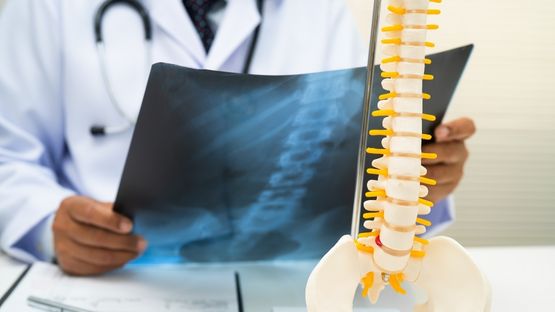
Healthy bones provide support, protect vital organs, and store essential minerals like calcium. As you age, bone strength naturally declines, making it important to adopt habits that help maintain bone health and reduce the risk of fractures.
What Can Affect Bone Health?
Several factors can influence bone strength, including:
– Low calcium intake
– Vitamin D deficiency
– Lack of regular physical activity
– Smoking and excessive alcohol consumption
– Aging and hormonal changes
– Family history of osteoporosis
– Certain long-term medications and medical conditions
Tips to Maintain Strong Bones
– Eat calcium-rich foods such as dairy products, leafy greens, tofu, sardines, and salmon.
– Get enough vitamin D through sunlight, oily fish, fortified foods, or supplements if recommended.
– Stay physically active with weight-bearing exercises like walking, jogging, dancing, or climbing stairs.
– Avoid smoking and limit alcohol intake to help reduce bone loss.
– Discuss long-term medications with your healthcare provider if they may affect bone health.
When Should You See a Doctor?
Consult a healthcare professional if you have risk factors for osteoporosis, experience frequent fractures, or break a bone after the age of 50. A bone density test may help assess your bone health and determine if treatment is needed.
Disclaimer
This article is for informational purposes only and is not a substitute for professional medical advice, diagnosis, or treatment. Consult a qualified healthcare professional for personalized guidance regarding your bone health.
by vellorecity | Jun 29, 2026 | Health, News
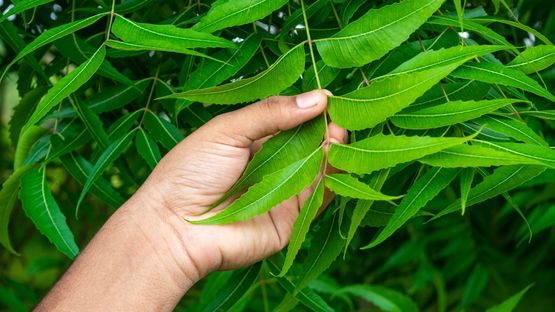
Neem has long been used in traditional hair care for its antifungal and antibacterial properties, making it a popular natural remedy for dandruff, itchy scalp, and mild scalp irritation.
Neem Oil Hair Mask
Mix a few drops of neem oil with basil leaves, bhringraj powder, shikakai powder, and fenugreek powder. Apply the mixture to your scalp, leave it on for 30 minutes, then rinse thoroughly.
Neem and Coconut Oil
Heat coconut oil with dried neem leaves over low heat for a few minutes. Strain the oil, massage it into your scalp, leave it on for 30 minutes, and wash with a mild shampoo.
Neem and Yogurt Hair Pack
Combine neem powder or fresh neem paste with plain yogurt and aloe vera gel. Apply evenly to the scalp to help moisturize the skin while reducing dandruff and dryness.
Neem Water Rinse
Boil fresh neem leaves in water, strain the liquid, and allow it to cool. Use the cooled neem water as a final hair rinse after shampooing to help soothe the scalp and reduce itchiness.
Disclaimer
This article is for informational purposes only and is not a substitute for professional medical advice. Natural remedies may not suit everyone. Perform a patch test before use and consult a dermatologist if dandruff persists or worsens.

by vellorecity | Jun 26, 2026 | Health, News
A balanced diet plays an important role in recovery from alcohol or drug addiction. While emotional and psychological support is essential, proper nutrition can also help the body heal and regain strength.
Foods to Avoid
– Processed foods with additives and preservatives: May affect digestion and increase the body`s workload.
– Refined sugar: Can cause blood sugar spikes and crashes while offering little nutritional value.
– White flour products: Highly processed and quickly converted into sugar by the body.
– Excess caffeine: May contribute to dehydration, poor sleep, and increased anxiety if consumed in large amounts.
– Hydrogenated and trans fats: Common in processed snacks and fast food, these are best limited.
Better Food Choices
Choose a diet rich in:
– Fresh fruits and vegetables
– Whole grains
– Legumes and beans
– Nuts and seeds
– Healthy fats such as olive oil and other natural plant-based oils
These foods provide essential vitamins, minerals, and nutrients that support overall health and recovery.
Key Takeaway
Reducing processed foods and choosing nutrient-rich, whole foods can help support physical recovery, improve energy levels, and promote overall well-being.
Disclaimer
This article is for informational purposes only and should not be considered medical or nutritional advice. Individuals recovering from substance use should consult a qualified healthcare professional or registered dietitian before making significant dietary changes.
by vellorecity | Jun 25, 2026 | Health, News
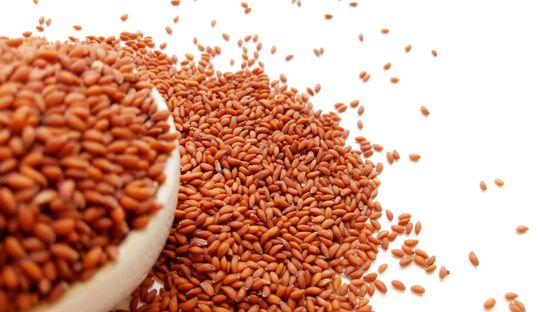
Garden cress seeds, also known as halim seeds, are packed with essential nutrients and have been traditionally used in various health remedies. Despite their small size, they offer several potential health benefits.
Key Health Benefits
– Supports Bone Health: Rich in vitamin K, which helps maintain strong bones.
– Boosts Immunity: Contains vitamin C, which supports the body`s natural defense system.
– May Aid Weight Management: Low in calories and can be included in a balanced diet.
– Promotes Heart Health: Contains beneficial omega-3 fatty acids that support cardiovascular wellness.
– May Help Manage Blood Sugar: Some studies suggest it may support healthy blood sugar levels.
– Supports Healthy Vision: Provides vitamin A, an important nutrient for eye health.
– May Enhance Breast Milk Production: Traditionally used by nursing mothers, though more research is needed.
Nutritional Highlights
Garden cress is a source of:
– Vitamin K
– Vitamin C
– Vitamin A
– Fiber
– Potassium
– Omega-3 fatty acids
How to Include It in Your Diet
Garden cress seeds can be added to:
– Smoothies
– Salads
– Soups
– Healthy drinks
– Traditional desserts and snacks
Disclaimer
This article is for informational purposes only and should not be considered medical advice. Health benefits may vary from person to person. Consult a qualified healthcare professional before using garden cress as part of any treatment or dietary plan.

by vellorecity | Jun 24, 2026 | Health, News
Polyendocrine Metabolic Ovarian Syndrome (PMOS) is a hormonal condition that can affect menstrual cycles, fertility, metabolism, and overall health. While there is no cure, symptoms can be effectively managed with lifestyle changes and medications.
How PMOS Is Diagnosed
There is no single test for PMOS. Doctors may recommend:
– Pelvic examination to check reproductive organs.
– Blood tests to measure hormone levels, blood sugar, cholesterol, and triglycerides.
– Ultrasound scans to examine the ovaries and the lining of the uterus.
– Additional screening for high blood pressure, diabetes, sleep apnea, anxiety, and depression.
Treatment Approaches
Lifestyle Changes
– Maintain a healthy weight: Even losing 5% of body weight may improve symptoms.
– Reduce calorie intake and follow a balanced diet.
– Exercise regularly: Physical activity helps improve insulin sensitivity and supports weight management.
Managing Irregular Periods
Doctors may prescribe:
– Combined birth control pills to regulate periods and reduce excess androgen levels.
– Progestin therapy to help maintain menstrual cycles and lower the risk of uterine complications.
Fertility Treatments
For those trying to conceive, treatment options may include:
– Metformin to improve insulin function.
– GLP-1 medications to help with blood sugar control and weight loss.
– Ovulation-inducing medicines such as letrozole or clomiphene.
– In some cases, IVF may be considered.
Treating Excess Hair Growth and Acne
Options include:
– Birth control pills
– Spironolactone to block androgen effects
– Hair removal methods such as laser treatment or electrolysis
– Prescription creams and acne medications
Key Takeaway
PMOS is a long-term condition, but healthy lifestyle habits and appropriate medical treatment can help control symptoms and reduce the risk of complications such as diabetes and heart disease.
Disclaimer
This article is for informational purposes only and is not a substitute for professional medical advice, diagnosis, or treatment. Consult a qualified healthcare professional for personalized care and treatment options.