
by vellorecity | Jul 9, 2026 | Health, News
Experiencing sudden ankle pain without twisting or injuring it can be surprising. While it may sometimes be due to overuse, it can also be linked to underlying health conditions affecting the joints, tendons, or immune system.
Possible Causes
– Osteoarthritis: Wear and tear of the ankle joint causing pain and stiffness.
– Rheumatoid arthritis: An autoimmune condition that can lead to swollen, painful ankles.
– Gout: A buildup of uric acid crystals that causes sudden, intense joint pain.
– Achilles tendonitis: Inflammation of the tendon connecting the calf to the heel.
– Bursitis: Inflammation of the fluid-filled sacs that cushion the ankle joint.
– Reactive arthritis or lupus: Autoimmune conditions that may cause joint pain and swelling.
– Flat feet (fallen arches): Can place extra stress on the ankle over time.
– Infections: Though less common, bacterial infections can cause severe ankle pain and swelling.
How It`s Diagnosed
A healthcare provider may recommend:
– Physical examination
– X-rays, ultrasound, CT scan, or MRI
– Blood tests to check for infection, gout, or autoimmune diseases
Treatment Options
Treatment depends on the underlying cause and may include:
– Rest and limiting activities
– Cold or warm compresses
– Over-the-counter pain relievers (as advised)
– Supportive braces or shoe inserts
– Physical therapy and stretching exercises
– Prescription medications for arthritis, gout, or autoimmune conditions
– Antibiotics if an infection is diagnosed
When to See a Doctor
Seek medical attention if you experience:
– Severe or worsening ankle pain
– Significant swelling or redness
– Difficulty walking or bearing weight
– Fever along with ankle pain
– Pain that doesn`t improve after a few days or keeps returning
Disclaimer
This article is for ininformational purposes only and is not a substitute for professional medical advice, diagnosis, or treatment. If you experience persistent, severe, or unexplained ankle pain, consult a qualified healthcare professional for proper evaluation.
by vellorecity | Jul 8, 2026 | Health, News
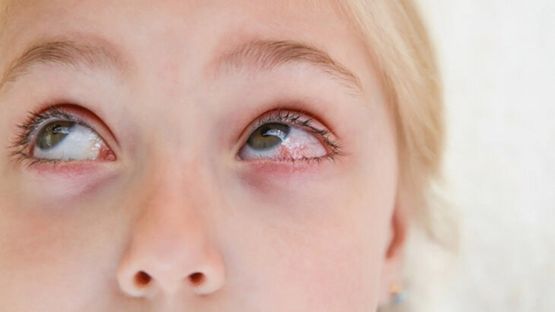
An eye infection occurs when harmful microorganisms such as bacteria, viruses, fungi, or parasites invade the eye and cause inflammation. These infections can affect one or both eyes and may involve different parts of the eye, including the eyelids, conjunctiva, cornea, or tear ducts. While many eye infections are mild and easily treated, some can threaten your vision if left untreated. Seeking prompt medical attention is the best way to ensure proper diagnosis and treatment.
What Is an Eye Infection?
An eye infection develops when microorganisms enter the eye and trigger an infection. The most common type is pink eye (conjunctivitis), which is often caused by viruses but can also result from bacterial infections.
Eye infections can range from minor irritations to serious conditions requiring urgent medical care. Because bacterial, viral, fungal, and parasitic infections require different treatments, it is important to identify the exact cause before starting medication. For example, antibiotics work only against bacterial infections and are not effective for viral eye infections.
How Common Are Eye Infections?
Eye infections are common and affect millions of people worldwide every year. People who wear contact lenses have a higher risk of developing certain eye infections, particularly if lenses are not cleaned properly or are worn longer than recommended.
Common Types of Eye Infections
Several conditions can affect different parts of the eye, including:
– Pink eye (conjunctivitis)
– Blepharitis (eyelid inflammation)
– Stye
– Cellulitis around the eye
– Dacryocystitis (tear sac infection)
– Uveitis
– Endophthalmitis (a serious infection inside the eye)
Symptoms of an Eye Infection
Symptoms may vary depending on the cause and severity of the infection.
Early Symptoms
– Red or bloodshot eyes
– Itching or irritation
– Eye pain or discomfort
– Excessive tearing
– Swollen eyelids
Advanced Symptoms
– Yellow or sticky eye discharge
– Eyelids sticking together, especially after sleeping
– Sensitivity to light (photophobia)
– Blurred vision
– Fever in some cases
If you experience worsening vision, severe pain, or increasing redness, seek medical care immediately.
What Causes Eye Infections?
Eye infections are caused by microorganisms such as:
– Bacteria
– Viruses
– Fungi
– Parasites
These organisms can enter the eye through contaminated hands, contact lenses, eye injuries, or exposure to infected individuals.
One of the most common causes is improper contact lens care, including:
– Sleeping while wearing contact lenses
– Not cleaning lenses correctly
– Using contaminated lens cases or solutions
– Wearing lenses beyond the recommended time
Common Bacterial Causes
Several bacteria can lead to eye infections, including:
– Staphylococcus aureus
– Streptococcus pneumoniae
– Haemophilus influenzae
– Pseudomonas aeruginosa
– Neisseria gonorrhoeae
– Moraxella species
– Bacillus species
– Members of the Enterobacteriaceae family
Common Viral Causes
The viruses most often associated with eye infections include:
– Adenovirus
– Herpes simplex virus type 1
– Varicella-zoster virus
Fungal Eye Infections
Although less common, fungal eye infections can be serious. They may occur after eye surgery, following an eye injury involving plant material or soil, or when fungi spread through the bloodstream. Common fungal organisms include:
– Candida species
– Fusarium species
How Is an Eye Infection Diagnosed?
A healthcare provider or eye specialist will diagnose an eye infection by:
– Reviewing your medical history
– Discussing your symptoms
– Performing a comprehensive eye examination
– Collecting a sample of eye discharge, when necessary, for laboratory testing
This helps determine the exact cause and ensures the most effective treatment.
Treatment for Eye Infections
Treatment depends entirely on the underlying cause.
Your healthcare provider may recommend:
– Antibiotic eye drops, ointments, or tablets for bacterial infections
– Antiviral medications for certain viral infections
– Antifungal medications for fungal infections
– Lubricating eye drops to relieve irritation
– Over-the-counter pain relievers for discomfort
Antibacterial medications often begin working within 24 to 48 hours, although full recovery may take longer.
Home Care Tips
To help ease symptoms while recovering:
– Apply warm or cool compresses to the affected eye.
– Use artificial tears to reduce dryness and irritation.
– Take over-the-counter pain medication if recommended.
– Avoid rubbing your eyes.
– Stay away from allergens if allergies are triggering your symptoms.
Outlook and Recovery
Most eye infections improve with timely treatment. However, recovery depends on the cause.
– Allergy-related eye irritation is not contagious and usually does not threaten vision.

by vellorecity | Jul 7, 2026 | Health, News
Pirandai (Cissus quadrangularis) is a traditional medicinal plant widely used in Ayurvedic and Siddha practices. Rich in vitamins, minerals, antioxidants, and dietary fiber, it has long been valued for supporting overall health.
Potential Health Benefits of Pirandai
– Supports bone health: Rich in calcium and phosphorus, which may help maintain strong bones and support fracture recovery.
– May reduce joint pain: Its anti-inflammatory properties may help ease arthritis-related pain and stiffness.
– Aids digestion: The fiber content supports gut health and may help relieve constipation.
– Boosts immunity: Contains vitamin C and antioxidants that help strengthen the body`s natural defenses.
– Promotes heart health: May help reduce oxidative stress and support healthy cholesterol levels.
– Helps manage blood sugar: Some studies suggest it may improve insulin sensitivity and glucose control.
– Supports weight management: Fiber may increase fullness and help reduce overeating.
– May speed wound healing: Traditionally used to support tissue repair and reduce inflammation.
– Protects brain health: Antioxidants may help protect brain cells from oxidative damage.
– Provides antioxidant support: Helps combat free radicals that contribute to chronic diseases.
How to Include Pirandai in Your Diet
– Prepare Pirandai chutney or pickle.
– Add it to stir-fries or curries.
– Use sun-dried Pirandai powder in soups, smoothies, or traditional recipes.
Precautions
– Handle with care: Fresh Pirandai may cause temporary skin itching or irritation when touched.
– Some people may experience allergic reactions or stomach discomfort.
– It may interact with certain medications, especially those used for blood sugar management.
– Pregnant or breastfeeding women and individuals with existing medical conditions should consult a healthcare professional before regular use.
Disclaimer
This article is for informational purposes only and should not be considered medical advice. While early research on Pirandai (Cissus quadrangularis) is promising, more high-quality human studies are needed to confirm its health benefits. Always consult a qualified healthcare professional before using herbal supplements or making significant dietary changes.

by vellorecity | Jul 6, 2026 | Health, News
A pulled back muscle is a common injury that can happen after lifting heavy objects, exercising, or sudden movements. While most cases improve within two weeks, home care can help reduce pain and speed up recovery.
Common Symptoms
– Back pain that worsens with movement
– Muscle stiffness
– Muscle spasms or cramps
– Tenderness in the affected area
– Pain that improves while resting
Home Treatments That May Help
– Rest briefly: Take it easy for the first 24-48 hours, then gradually return to normal activities.
– Apply heat: Use a warm pack for 15-20 minutes, several times a day, to relax tight muscles.
– Use OTC pain relievers: Anti-inflammatory medications may help reduce pain and swelling when used as directed.
– Do gentle stretches: Simple stretches like child`s pose, cat-cow, or knee-to-chest can improve flexibility.
– Stay active: Light activities such as walking can help reduce stiffness and support recovery.
– Try gentle massage: Self-massage with a foam roller or tennis balls may help ease muscle tension.
When to Seek Medical Advice
Consult a healthcare professional if:
– Pain lasts longer than two weeks
– Symptoms become worse over time
– You have severe pain, numbness, or weakness
– The injury affects your ability to perform daily activities
Disclaimer
This article is for informational purposes only and is not a substitute for professional medical advice, diagnosis, or treatment. If your symptoms are severe, persistent, or worsening, consult a qualified healthcare professional for proper evaluation.

by vellorecity | Jul 4, 2026 | Health, News
Feeling a sharp pain on only one side of your throat when swallowing can happen for several reasons. While many causes are mild and temporary, some may require prompt medical attention.
Common Causes
– Acid reflux (GERD): Stomach acid can irritate the throat.
– Postnasal drip: Excess mucus from allergies, colds, or sinus issues can cause discomfort.
– Swollen lymph nodes: Often linked to viral or bacterial infections.
– Tonsillitis: Inflamed tonsils may cause pain on one side.
– Laryngitis: Voice strain or infection can lead to throat irritation.
– Canker sores: Mouth ulcers may make swallowing painful.
– Dental problems: An infected or impacted tooth can cause pain that spreads to the throat.
Less Common but Serious Causes
– Peritonsillar abscess (pus near a tonsil)
– Epiglottitis, a serious throat infection that can affect breathing
– Nerve-related pain (Glossopharyngeal neuralgia)
– Mouth, throat, or esophageal cancer, especially if symptoms persist
How It May Be Treated
Treatment depends on the underlying cause and may include:
– Staying hydrated and resting
– Warm saltwater gargles
– Over-the-counter pain relievers
– Allergy or reflux medications
– Antibiotics for bacterial infections
– Dental treatment if a tooth is the source of pain
When to See a Doctor
Seek medical attention if you experience:
– Difficulty breathing or swallowing
– High fever
– Persistent or worsening throat pain
– A lump in the neck
– Symptoms lasting more than a few days without improvement
Disclaimer
This article is for informational purposes only and is not a substitute for professional medical advice, diagnosis, or treatment. If your symptoms are severe, persistent, or accompanied by difficulty breathing or swallowing, seek immediate medical care.

by vellorecity | Jul 3, 2026 | Health, News
Burning the roof of your mouth is common after eating or drinking something too hot. Most minor burns heal on their own within a few days, but proper care can help reduce pain and speed up recovery.
How to Treat a Minor Mouth Burn
– Drink cold water or milk to soothe the affected area.
– Eat soft, cool foods like yogurt, pudding, applesauce, or ice cream.
– Rinse with warm salt water to keep the area clean and reduce discomfort.
– Take over-the-counter pain relievers if needed, following the recommended dosage.
– Avoid touching or irritating the burned area.
Foods to Avoid While Healing
To prevent further irritation, avoid:
– Hot foods and drinks
– Spicy foods
– Acidic foods and beverages like tomatoes, citrus juices, and coffee
– Crunchy or sharp-edged foods
– Alcohol and tobacco products
Signs the Burn May Be Serious
Seek medical attention if you notice:
– Severe pain or swelling
– Blisters or pus
– Difficulty swallowing
– Fever
– Burns that do not improve within a few days
Burning Mouth Syndrome
If you experience a burning sensation without an obvious burn, and it continues for weeks or months, it could be Burning Mouth Syndrome (BMS). This condition requires medical evaluation to identify the underlying cause and appropriate treatment.
Disclaimer
This article is for informational purposes only and is not a substitute for professional medical advice, diagnosis, or treatment. If symptoms are severe, persistent, or worsening, consult a qualified healthcare professional promptly.