
by vellorecity | Jul 18, 2026 | Health, News
Healthy blood circulation is essential for delivering oxygen and nutrients throughout the body. Along with regular exercise and healthy lifestyle habits, certain foods may help support better blood flow and overall heart health.
Cayenne Pepper
Cayenne pepper contains capsaicin, a natural compound that may help relax blood vessels and support healthy circulation.
Pomegranate
Rich in antioxidants and dietary nitrates, pomegranates may improve blood flow and support muscle recovery after exercise.
Onions
Packed with flavonoid antioxidants, onions may help improve blood vessel function and reduce inflammation.
Cinnamon
Some studies suggest that cinnamon may help support healthy blood pressure, which plays an important role in maintaining good circulation.
Garlic
Garlic contains allicin, a sulfur compound that may help relax blood vessels and improve blood flow.
Fatty Fish
Fish such as salmon and mackerel are rich in omega-3 fatty acids, which support heart health and healthy circulation.
Beets
Naturally high in dietary nitrates, beets help the body produce nitric oxide, which relaxes blood vessels and promotes healthy blood flow.
Turmeric
The active compound in turmeric, curcumin, has anti-inflammatory properties and may help improve circulation.
Leafy Greens
Vegetables such as spinach and kale are rich in nitrates that help support healthy blood vessel function.
Citrus Fruits
Oranges, lemons, and grapefruit provide vitamin C and flavonoids, which may help maintain healthy blood vessels.
Tomatoes
Tomatoes contain antioxidants that may help support healthy blood pressure and improve circulation.
Berries
Blueberries, strawberries, and raspberries are rich in antioxidants that may help protect blood vessels and support healthy blood flow.
Ginger
Ginger has traditionally been used to support circulation and may help maintain healthy blood pressure.
Other Ways to Improve Blood Flow
– Exercise regularly
– Stay hydrated
– Maintain a healthy weight
– Eat a balanced, heart-friendly diet
– Avoid smoking
– Manage stress through relaxation techniques
Disclaimer
This article is for informational purposes only and is not a substitute for professional medical advice, diagnosis, or treatment. If you have ongoing circulation problems, cardiovascular disease, or other underlying medical conditions, consult a qualified healthcare professional for proper evaluation and treatment.

by vellorecity | Jul 17, 2026 | Health, News
Breakfast helps replenish your body`s energy after an overnight fast and provides fuel to start the day. Whether you should eat a heavy or light breakfast depends on your lifestyle, physical activity, health status, and personal preferences.
Benefits of a Heavy Breakfast
A larger breakfast may be beneficial if you:
– Exercise in the morning
– Have a physically demanding job
– Need sustained energy throughout the day
A balanced heavy breakfast that includes protein, fiber, healthy fats, and whole grains may help keep you full for longer, support muscle health, and reduce unhealthy snacking later in the day.
Benefits of a Light Breakfast
A lighter breakfast may be a better choice if you:
– Have a sedentary lifestyle
– Experience acidity, bloating, or digestive discomfort
– Prefer eating smaller meals in the morning
Nutritious options such as oats, fresh fruits, yogurt, smoothies, or idlis can provide energy without feeling overly heavy.
What Makes a Healthy Breakfast?
Regardless of portion size, a healthy breakfast should include:
– Protein to support muscle health and improve satiety
– Fiber to promote healthy digestion
– Healthy fats for sustained energy
– Vitamins and minerals from fruits, vegetables, dairy, or whole grains
Heavy vs. Light: Which Is Better?
There is no one-size-fits-all answer.
– Choose a heavy breakfast if you are highly active and require long-lasting energy.
– Choose a light breakfast if you have digestive concerns, lower activity levels, or simply feel more comfortable eating less in the morning.
The healthiest breakfast is one that matches your individual needs while providing balanced nutrition.
Disclaimer
This article is for informational purposes only and should not replace professional medical or nutritional advice. If you have diabetes, digestive disorders, or other ongoing health conditions, consult a qualified healthcare professional or registered dietitian for personalized dietary guidance.
by vellorecity | Jul 16, 2026 | Health, News
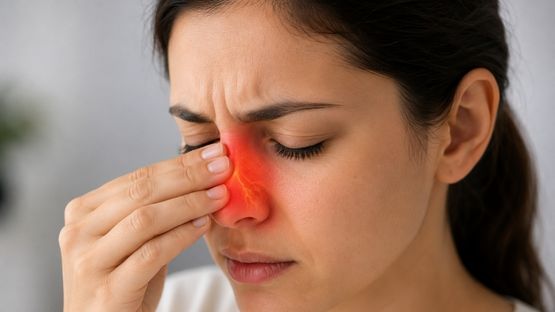
A burning sensation inside the nose is commonly caused by irritation or dryness of the nasal passages. While it is usually temporary and not serious, persistent or severe symptoms may indicate an underlying condition that requires medical evaluation.
Common Causes
– Dry air: Cold weather, indoor heating, air conditioning, or low humidity can dry out the nasal lining and cause a burning sensation.
– Allergies (Allergic rhinitis): Exposure to pollen, dust mites, mould, or pet dander can irritate the nasal passages.
– Sinus or nasal infections: Viral or bacterial infections may cause burning along with nasal congestion, facial pressure, and a runny nose.
– Overuse of nasal sprays or medications: Frequent use of certain decongestant sprays can dry and irritate the nasal passages.
– Smoke and chemical irritants: Tobacco smoke, strong cleaning products, air pollution, perfumes, and dust may trigger nasal burning.
How to Relieve the Burning Sensation
– Use a saline nasal spray to keep the nasal passages moist.
– Run a humidifier to increase moisture levels in dry indoor air.
– Stay hydrated by drinking enough water throughout the day.
– Avoid allergens and irritants whenever possible.
– Use nasal decongestant sprays only as directed, as excessive use can worsen irritation.
When to See a Doctor
Seek medical advice if you experience:
– Symptoms lasting longer than a week
– High fever
– Difficulty breathing
– Blood in nasal discharge
– Severe facial pain or swelling
– Dizziness, fainting, or rapid heartbeat
Disclaimer
This article is for informational purposes only and should not be considered medical advice, diagnosis, or treatment. If your symptoms are severe, persistent, or accompanied by breathing difficulties, high fever, or other concerning signs, consult a qualified healthcare professional promptly.
by vellorecity | Jul 14, 2026 | Health, News
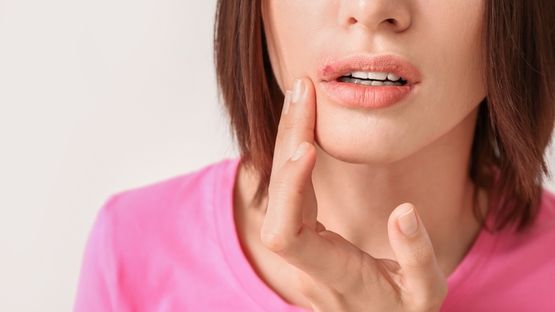
Cold sores, also known as oral herpes or fever blisters, are small, fluid-filled blisters that usually appear on or around the lips. They are caused by the herpes simplex virus (HSV) and are highly contagious. Once the virus enters the body, it remains dormant in the nerves and can reactivate from time to time, leading to recurring outbreaks.
What Are Cold Sores?
Cold sores are a common viral infection that typically affects the lips and the skin around the mouth. In some cases, they may also appear on the nose, cheeks, or chin. While cold sores usually heal on their own, they can be painful, uncomfortable, and bothersome.
Most cases are caused by HSV-1, although HSV-2, which is commonly associated with genital herpes, can also cause oral infections.
Symptoms of Cold Sores
The first outbreak is often the most severe and may include:
– Fever
– Sore throat
– Swollen or red gums
– Painful sores inside the mouth
– Difficulty eating or drinking
Recurring outbreaks are usually milder and primarily involve cold sores on or around the lips.
Stages of a Cold Sore
Early Warning Signs
Before a blister appears, you may notice:
– Tingling
– Itching
– Burning
– Numbness
– Mild pain around the lips
Blister Formation
Within a day or two, small fluid-filled blisters develop. The area may become red, swollen, and tender.
Weeping Stage
The blisters eventually burst, releasing fluid that contains the virus and can easily spread the infection.
Crusting and Healing
A scab forms over the sore and gradually heals. Most cold sores clear up within one to two weeks.
What Causes Cold Sores?
Cold sores are caused by infection with the herpes simplex virus. After the initial infection, the virus remains in the body and can reactivate due to:
– Stress
– Fever or illness
– Sun exposure
– Hormonal changes
– Fatigue
– Injury around the mouth
Are Cold Sores Contagious?
Yes. Cold sores are highly contagious from the momement symptoms begin until the sore has completely healed.
The virus can spread through:
– Kissing
– Oral sex
– Sharing cups, utensils, straws, or lip balm
– Direct contact with the sore
To reduce the risk of spreading the virus, avoid close contact with others during an outbreak.
Treatment Options
Although there is no cure for oral herpes, treatment can help reduce symptoms and speed healing.
Medications
– Antiviral creams
– Prescription antiviral tablets
– Topical anesthetic gels to reduce pain
Antiviral medications work best when started at the first sign of tingling or itching.
Self-Care Tips
– Keep the affected area clean.
– Avoid picking or scratching the sore.
– Stay hydrated.
– Protect your lips from excessive sun exposure.
– Wash your hands frequently.
When Should You See a Doctor?
Seek medical advice if:
– It is your first cold sore outbreak.
– The sore does not improve within 10 to 14 days.
– The sores are unusually large or painful.
– You have frequent outbreaks.
– You develop sores inside your mouth.
– You have a weakened immune system.
– You are unsure whether the lesion is a cold sore.
Parents should contact a healthcare provider if a child develops cold sores along with difficulty eating, drinking, or signs of dehydration.
Cold Sores vs Canker Sores
Although they may look similar, cold sores and canker sores are different conditions.
– Cold sores are caused by the herpes simplex virus and are contagious.
– Canker sores develop inside the mouth, are not caused by a virus, and are not contagious.
Key Takeaway
Cold sores are a common viral infection caused by the herpes simplex virus. They typically begin with tingling or itching, progress into fluid-filled blisters, and heal within one to two weeks. While outbreaks can recur throughout life, antiviral treatments and good hygiene practices can help manage symptoms and reduce the risk of spreading the infection.

by vellorecity | Jul 13, 2026 | Health, News
Baby powder has traditionally been used to absorb moisture and help prevent diaper rash. However, health experts now recommend using it with caution due to potential breathing risks, especially in infants.
Is Baby Powder Safe?
– Talc-based baby powder is generally not recommended for babies.
– Fine powder particles can be inhaled, which may irritate a baby`s lungs and cause breathing problems.
– Babies who are premature or have existing respiratory conditions may be at greater risk.
Does Baby Powder Cause Cancer?
– Concerns about cancer have mainly involved talc-based powders used by adults over long periods, particularly in the genital area.
– Current evidence does not show that normal diaper use in babies is linked to cancer.
– Many manufacturers now use cornstarch instead of talc in baby powders.
If You Choose to Use Baby Powder
To reduce the risk of inhalation:
– Apply the powder to your hands first, away from your baby.
– Gently pat it onto the diaper area instead of sprinkling it directly.
– Avoid creating airborne powder.
– Clean away any leftover powder during each diaper change.
– Keep the container out of children`s reach.
Safer Alternatives
– Cornstarch-based baby powder
– Petroleum jelly
– Zinc oxide diaper rash cream
– Tapioca or arrowroot starch
– Baking soda (only when appropriate and as advised)
Disclaimer
This article is for informational purposes only and is not a substitute for professional medical advice. If your baby develops a persistent diaper rash, breathing difficulties, or skin irritation, consult a qualified pediatrician for proper evaluation and treatment.

by vellorecity | Jul 10, 2026 | Health, News
Oily skin occurs when the skin produces excess sebum (natural oil), which can lead to shine, clogged pores, and acne. While genetics and hormones play a major role, a few simple home remedies may help manage excess oil naturally.
Home Remedies for Oily Skin
– Wash your face twice daily using a gentle cleanser to remove excess oil without over-drying the skin.
– Use blotting papers to absorb oil and reduce shine throughout the day.
– Apply raw honey as a face mask for about 10 minutes before rinsing.
– Try a clay mask to help absorb excess oil and cleanse pores.
– Use oatmeal as a gentle face mask or scrub to soothe the skin and control oil.
– Apply fresh aloe vera gel before bedtime if your skin tolerates it.
– Use tomato pulp occasionally, as it may help remove excess oil from the skin.
– Massage a few drops of jojoba oil onto clean skin, as it may help balance natural oil production.
– Ground almonds mixed with honey can be used as a gentle exfoliating scrub (avoid if you have a nut allergy).
– Egg white masks are a traditional remedy, but scientific evidence supporting their effectiveness is limited.
Tips to Prevent Oily Skin
– Avoid over-washing, which may trigger more oil production.
– Choose non-comedogenic skincare and makeup products.
– Limit fried, sugary, and highly processed foods as part of a balanced diet.
– Remove makeup thoroughly before sleeping.
– Stay hydrated and follow a consistent skincare routine.
When to See a Dermatologist
Consult a skin specialist if:
– Acne becomes severe or painful
– Home remedies don`t improve oily skin
– You experience persistent irritation, infection, or scarring
Disclaimer
This article is for informational purposes only and is not a substitute for professional medical advice. Always perform a patch test before trying new home remedies, and consult a qualified dermatologist if you have persistent skin concerns or allergic reactions.