by vellorecity | Apr 6, 2026 | Health, News
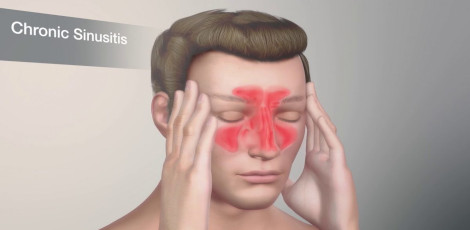
Sinusitis is a common condition where the sinus cavities become inflamed, leading to nasal blockage, facial pain, headache, and breathing discomfort. It can affect people of all ages and is often linked to infections or allergies.
Symptoms of Sinusitis
– Stuffy or blocked nose
– Facial pain or pressure (eyes, cheeks, forehead)
– Headache and sinus pressure
– Thick nasal discharge
– Post-nasal drip
– Reduced sense of smell
– Fever and fatigue (in some cases)
Causes
– Viral infections like the common cold
– Bacterial infections
– Allergies and dust exposure
– Nasal polyps or structural issues
– Pollution and environmental factors
Treatment
– Steam inhalation and hydration
– Nasal sprays and decongestants
– Antihistamines for allergies
– Antibiotics (if bacterial infection)
Most mild cases improve within 7–10 days with proper care.
Prevention Tips
– Avoid dust and allergens
– Maintain hygiene
– Stay hydrated
– Treat colds early

by vellorecity | Apr 6, 2026 | Health, News
Reducing body fat doesn’t require strict dieting or intense workouts. Health experts suggest that simple lifestyle changes can help achieve effective and long-term fat loss naturally.
Follow a Healthy Diet
Include fiber-rich foods, vegetables, fruits, and protein in your daily meals. Avoid junk food, sugary drinks, and processed items to reduce excess calorie intake.
Stay Physically Active
Engage in daily activities like walking, jogging, cycling, or home workouts. Regular exercise helps burn calories and improves overall fitness.
Drink Plenty of Water
Drinking enough water boosts metabolism and helps control hunger. Having water before meals may also reduce overeating.
Control Your Portions
Eating in moderation is key. Avoid overeating and practice portion control to maintain a healthy calorie balance.
Get Quality Sleep
Sleeping for 7–8 hours daily is essential for weight management. Poor sleep can lead to increased cravings and weight gain.
Manage Stress Levels
Stress can contribute to fat accumulation. Practicing yoga, meditation, or relaxation techniques can help maintain mental and physical health.
Conclusion
Simple and consistent habits like healthy eating, regular exercise, proper sleep, and hydration are the best ways to reduce body fat naturally and stay fit.

by vellorecity | Apr 4, 2026 | Health, News
Gold prices in Chennai recorded a noticeable decline on April 4, 2026, offering some relief to jewelry buyers and investors. After witnessing a steady rise in recent days, gold rates have now dropped in the local market.
As per the latest update, the price of 22-karat gold has decreased by ₹800 per sovereign, bringing the rate down to ₹1,11,600. On a per gram basis, 22K gold fell by ₹100 and is now priced at ₹13,950 per gram.
Similarly, 24-karat gold also saw a decline of ₹100 per gram, taking the price to ₹13,850 per gram. This drop comes after earlier increases driven by global market trends and rising demand.
Meanwhile, silver prices remained unchanged at ₹255 per gram, showing stability despite fluctuations in gold rates.
Market experts state that international price movements, currency fluctuations, and changing demand patterns are key factors influencing gold prices. With ongoing volatility in the market, buyers are advised to monitor daily gold rates before making any purchase decisions.
Key Highlights:
22K Gold: ₹13,950 per gram (↓ ₹100)
22K Gold (Sovereign): ₹1,11,600 (↓ ₹800)
24K Gold: ₹13,850 per gram
Silver: ₹255 per gram (No change)
by vellorecity | Apr 3, 2026 | Health, News
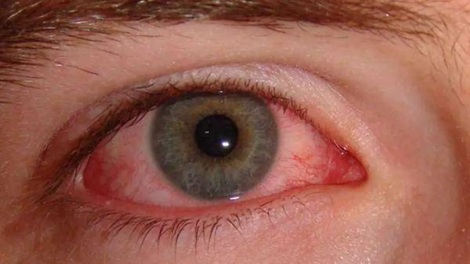
Due to the ongoing heatwave across Tamil Nadu, cases of Madras Eye (conjunctivitis) are rising. This common ocular infection spreads rapidly during the summer season due to elevated temperatures, dust exposure, and viral transmission.
Madras Eye is a contagious condition primarily caused by viral infections. Transmission occurs through direct contact, contaminated surfaces, or the sharing of personal items such as towels and handkerchiefs. Although the condition is generally mild and resolves within a few days, adherence to proper hygiene and care protocols is essential to prevent its spread.
Symptoms of Madras Eye
Common indicators of the infection include:
– Redness in one or both eyes
– A sensation of burning or itching
– Watery or sticky discharge
– Swelling of the eyelids
– Sensitivity to light
Symptoms may manifest suddenly and can spread from one eye to the other if not managed appropriately.
Factors Contributing to Spread During Heatwaves
During the summer season:
– Sweat and dust irritate the eyes
– Individuals tend to touch their eyes more frequently
– Viral infections propagate easily in crowded environments
These factors collectively increase the risk of infection.
Prevention Recommendations
To mitigate the risk of Madras Eye:
– Wash hands frequently with soap
– Refrain from touching or rubbing the eyes
– Avoid sharing personal items such as towels or cosmetics
– Maintain cleanliness of the face and surrounding environment
– Wear sunglasses to protect against sunlight and dust
– Utilize only eye drops prescribed by a medical professional
In the event of infection, limit close contact with others to prevent transmission.
Heatwave Safety Measures
In addition to ocular care, the following measures are recommended for safety during hot weather:
– Consume adequate water to maintain hydration
– Ingest cooling beverages such as buttermilk and tender coconut
– Wear light, breathable cotton clothing
– Avoid outdoor activities during peak heat hours (12:00 PM – 3:00 PM)
– Utilize caps, umbrellas, and sunglasses when outdoors
by vellorecity | Mar 31, 2026 | Health, News
While sunny days can be enjoyable, excessive heat can pose serious health risks such as dehydration, heat cramps, heat exhaustion, and even heat stroke. Taking simple precautions can help you stay safe and comfortable during hot weather.
Simple Tips to Beat the Heat
Choose Breathable Clothing
– Wear loose-fitting, light-colored fabrics like cotton or linen. These materials allow better airflow, while dark colors tend to absorb more heat.
Stay Hydrated with Smart Choices
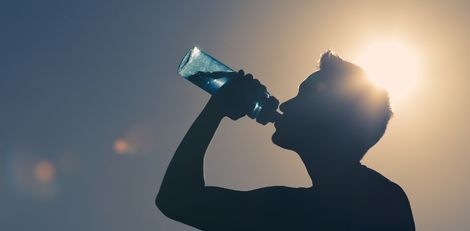
– Drink fluids regularly, including lemon water, to help replace salts lost through sweating. However, use a straw to protect your teeth from acidity.
Eat Light and Cooling Foods
– Avoid heavy meals rich in fat and protein, as they generate more body heat during digestion. Opt for fresh salads and hydrating foods instead.
Cool Your Body Effectively
– Apply cold items like frozen water bottles to pulse points such as the wrists, neck, behind the ears, and knees to quickly lower body temperature.
Care for Sun-Exposed Skin
– Use moisturizers with aloe vera to soothe sunburn, as damaged skin loses its ability to regulate heat efficiently.
Block Heat from Entering Your Home
– Install room-darkening curtains to reduce sunlight and indoor heat buildup.
Reduce Indoor Heat Sources
– Avoid using appliances like dryers and ovens during peak heat. Instead, air-dry clothes and use alternatives like outdoor grilling or slow cooking.
Switch to Energy-Efficient Lighting
– Replace traditional bulbs with LED lights, which produce less heat and reduce cooling needs.
Limit Heat Exposure
– Stay indoors or in air-conditioned environments as much as possible. Even a short time in a cool space can significantly reduce the risk of heat-related illness.
Key Takeaway
Managing summer heat is about reducing exposure, staying hydrated, and making smart lifestyle choices. Small changes can prevent serious heat-related health problems.
Disclaimer: This content is for informational purposes only. It is prepared carefully to avoid any issues or misunderstandings and should not be considered medical advice. Always follow proper safety measures and consult professionals if needed.

by Interns_team | Mar 30, 2026 | Health, News
Headaches are a common condition that can range from mild discomfort to severe pain, affecting daily life. While medications are available, many people find relief through natural remedies and lifestyle changes.
Natural Remedies That May Help
Hydration
Drinking enough water can reduce the frequency and severity of headaches, especially those caused by dehydration.
Magnesium Intake
Magnesium supports nerve function and may help reduce migraine frequency and intensity.
Limit Alcohol and Caffeine
Alcohol and sudden caffeine changes can trigger headaches. Managing intake can help prevent symptoms.
Healthy Sleep Routine
Getting 7-9 hours of sleep regularly helps prevent headaches caused by sleep imbalance.
Avoid Trigger Foods
Certain foods like aged cheese, processed meats, and alcohol may trigger headaches in some individuals.
Essential Oils
Oils such as peppermint and lavender may provide relief when applied properly or used in aromatherapy.
Cold Compress
Applying a cold pack to the head or neck can reduce inflammation and ease pain.
Herbal and Nutritional Support
Natural options like ginger, chamomile, and B vitamins may help reduce symptoms in some cases.
Stress Management
Activities like yoga and relaxation techniques can reduce headache frequency and intensity.
Regular Physical Activity
Exercise can help lower the severity and occurrence of headaches over time.
Prevention Tips
– Stay hydrated throughout the day
– Eat regular, balanced meals
– Maintain a consistent sleep schedule
– Identify and avoid personal triggers such as strong smells or certain foods
– Manage stress effectively through healthy habits
When to See a Doctor
While occasional headaches are usually not serious, seek medical attention if you experience:
– Frequent or persistent headaches
– Severe or worsening pain
– Headaches after injury or trauma
– Sudden, intense headaches
These could indicate a more serious underlying condition that requires prompt evaluation.
Disclaimer: This content is for informational purposes only. It is prepared carefully to avoid any issues or misunderstandings and should not be considered medical advice. Always consult a qualified healthcare professional for proper diagnosis and treatment.