
by vellorecity | Apr 11, 2026 | Health, News
Parkinson’s disease is a chronic and progressive neurological condition with no cure. Over time, symptoms may fluctuate or worsen, often influenced by lifestyle, medications, and overall health.
What Can Worsen Parkinson’s Symptoms?
Chronic Stress
Stress is one of the most significant triggers. Higher stress levels can worsen:
– Tremors
– Movement difficulties
– Sleep problems
– Depression and memory issues
Emotional Changes
Conditions like anxiety and depression can intensify both motor and non-motor symptoms, making daily functioning more difficult.
Medications
– Common treatments like levodopa may cause fluctuating responses over time
– High doses can lead to increased tremors, sweating, pain, and mood changes
– Certain other medications (such as some antipsychotics and anti-nausea drugs) may also aggravate symptoms
– Adjusting dosage or treatment plans is often necessary
Diet and Gut Health
Emerging research highlights the link between the gut and brain:
– Poor gut bacteria balance may worsen symptoms
– Foods linked to worsening include:
– Processed foods
– Red meat and high-fat animal products
– Fried foods and sugary drinks
– A Mediterranean-style diet may support better outcomes
General Health Changes
Other health conditions can impact symptom severity, including:
– Infections
– Surgical recovery
– Changes in medications
– Other underlying diseases
Treatment Approaches
Medications
– Drugs that increase or mimic dopamine help manage symptoms
– Treatment often requires adjustments over time
Advanced Therapies
– Options like deep brain stimulation or medication delivery systems may be used in certain cases
Home and Lifestyle Support
– Keep living spaces safe and clutter-free
– Use supportive tools like handrails or elevated seating
– Seek help from caregivers when needed
Outlook
Parkinson’s disease gradually progresses over time, but properer treatment and lifestyle management can help reduce symptoms and improve quality of life.
When to Consult a Doctor
Seek medical advice if you notice:
– Sudden worsening of symptoms
– Unusual changes in movement or behavior
– Reduced effectiveness of medications
These may require treatment adjustments or further evaluation.
Key Takeaway
While Parkinson’s disease cannot be cured, understanding triggers such as stress, medications, diet, and overall health changes can help manage symptoms more effectively and maintain better daily functioning.
Disclaimer: This content is for informational purposes only. It is prepared carefully to avoid any issues or misunderstandings and should not be considered medical advice. Always consult a qualified healthcare professional for proper diagnosis and treatment.
by vellorecity | Apr 10, 2026 | Health, News
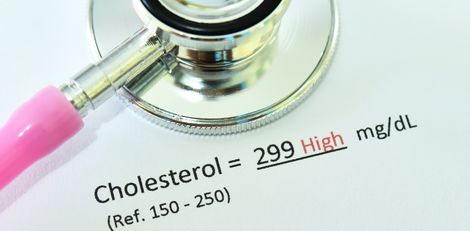
High cholesterol is a common yet often unnoticed health condition that can quietly damage the body over time. Known as a “silent threat,” it usually shows no symptoms until it leads to serious complications.
What Happens in the Body
Cholesterol is a type of fat produced by the liver and also found in certain foods. When levels become too high, it can build up in the arteries, forming plaque that narrows and hardens blood vessels.
This restricts blood flow, increasing the risk of major cardiovascular problems.
Why High Cholesterol Is Dangerous
If left untreated, high cholesterol can lead to:
– Heart Attack: Blocked blood flow to the heart due to clot formation
– Stroke: Reduced or blocked blood supply to the brain
– Peripheral Artery Disease: Reduced blood flow to limbs, causing pain and complications
– Angina: Chest pain caused by limited blood flow to the heart
– Chronic Kidney Disease: Damage to kidney blood vessels
– Atherosclerosis: Hardening and narrowing of arteries
Types of Cholesterol
– LDL (Low-Density Lipoprotein): Known as “bad cholesterol,” it contributes to plaque buildup
– HDL (High-Density Lipoprotein): Known as “good cholesterol,” it helps remove excess cholesterol from the bloodstream
Maintaining a balance between these two is essential for heart health.
Risk Factors
Several factors can increase the risk of high cholesterol:
– Unhealthy diet (high in saturated and trans fats)
– Obesity or excess body weight
– Lack of physical activity
– Increasing age
– Family history of cholesterol issues
– Medical conditions like diabetes or thyroid disorders
How to Manage and Reduce Cholesterol
Healthy Diet
– Eat foods rich in fiber such as fruits, vegetables, and whole grains
– Choose lean proteins like fish, poultry, and plant-based options
Regular Exercise
– Physical activity helps lower LDL and increase HDL levels
Maintain a Healthy Weight
– Weight control plays a key role in managing cholesterol
Quit Smoking
– Smoking worsens cholesterol levels and increases heart disease risk
Medications (if required)
– Doctors may prescribe cholesterol-lowering drugs when lifestyle changes are not enough
Key Takeaway
High cholesterol may not show symptoms, but it can lead to serious and life-threatening conditions. Regular health checks, along with healthy lifestyle choices, can significantly reduce risks and improve overall well-being.
Disclaimer: This content is for informational purposes only. It is prepared carefully to avoid any issues or misunderstandings and should not be considered medical advice. Always consult a qualified healthcare professional for proper diagnosis and treatment.

by vellorecity | Apr 9, 2026 | Health, News
With temperatures rising sharply across many regions, the impact of summer heat is becoming increasingly severe. Health experts warn that children and elderly people are the most affected, as their bodies are less capable of handling extreme heat conditions.
Prolonged exposure to high temperatures can lead to serious health issues if proper precautions are not taken.
Why Children and Elderly Are at Higher Risk
Children and senior citizens are more vulnerable to heat-related illnesses due to several factors:
Children dehydrate faster and may not recognize early symptoms
Elderly individuals have reduced ability to regulate body temperature
Both groups are more sensitive to sudden climate changes
This makes them more prone to complications during peak summer months.
Common Health Issues During Summer
Extreme heat can lead to multiple health problems, including:
– Dehydration
– Heat exhaustion
– Heatstroke
– Skin irritation and rashes
– Weakness and fatigue
Among these, heatstroke is the most serious condition and requires immediate medical attention.
Symptoms to Watch Out For
Parents and caregivers should stay alert for warning signs such as:
– Excessive thirst and dry mouth
– Dizziness or fainting
– Nausea or vomiting
– High body temperature
– Unusual tiredness or confusion
Early detection can help prevent complications.
Prevention Tips for Safety
For Children
– Encourage frequent water intake
– Avoid outdoor activities during peak heat (12 PM – 4 PM)
– Dress in light, breathable cotton clothes
– Keep them in cool, shaded environments
For Elderly
– Stay indoors during hot hours
– Drink fluids regularly, even without feeling thirsty
– Avoid strenuous activities
– Monitor health conditions closely
General Summer Safety Measures
– Wear loose, light-colored clothing
– Eat hydrating foods like fruits and vegetables
– Use caps, umbrellas, and sunscreen
– Ensure proper ventilation indoors
Conclusion
As summer temperatures continue to rise, extra care is essential for children and the elderly. With proper awareness, hydration, and preventive measures, the risks associated with heat can be significantly reduced.
by vellorecity | Apr 8, 2026 | Health, News
Health experts are raising awareness about Hives (Urticaria), a common skin condition that causes sudden itching, redness, and swelling. With changing weather conditions and rising allergies, cases of hives are being reported more frequently.
What is Hives?
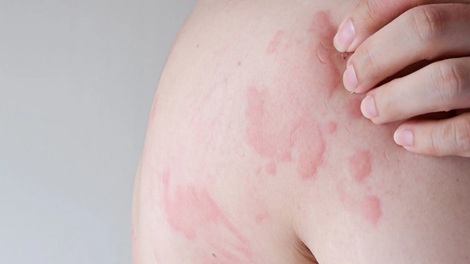
Hives is a skin reaction that appears as itchy red welts or rashes on the body. It can last for a few hours or persist for several days depending on the severity and triggers.
Doctors say the condition is usually not dangerous but can cause significant discomfort if not managed properly.
Common Causes Identified
Medical experts highlight several triggers behind hives:
– Food allergies (seafood, eggs, certain vegetables)
– Reaction to medications
– Exposure to heat, cold, or sunlight
– Insect bites and environmental allergens
– Stress and underlying infections
These factors lead to the release of histamine in the body, resulting in skin irritation and swelling.
Symptoms to Watch
People affected by hives may experience:
– Red, raised patches on the skin
– Intense itching or burning sensation
– Swelling in specific areas
– Rashes that appear suddenly and disappear quickly
Experts advise not to ignore recurring symptoms.
Prevention & Safety Measures
Health professionals recommend simple precautions to prevent hives:
– Take cool baths and maintain personal hygiene
– Wear loose cotton clothing and avoid tight outfits
– Keep surroundings clean and allergen-free
– Avoid known food or environmental triggers
– Do not share personal items like towels or clothes
Doctor’s Advice
Doctors strongly warn against self-medication.
Use of creams or medicines without proper consultation may worsen the condition.
Patients are advised to seek medical attention if symptoms persist or become severe.
by vellorecity | Apr 7, 2026 | Health, News
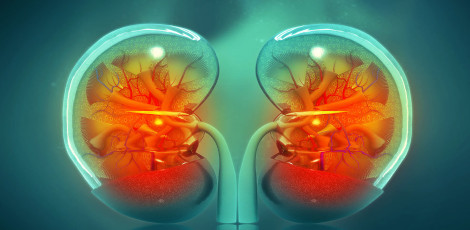
Chronic Kidney Disease (CKD) is a long-term condition where the kidneys gradually lose their ability to filter waste and excess fluids from the blood. Often referred to as a “silent disease,” CKD may not show noticeable symptoms in its early stages.
Key Risk Factors
The most common causes of CKD include:
Diabetes – High blood sugar damages kidney filters
High Blood Pressure – Affects blood vessels in the kidneys
Heart Disease – Reduces blood flow to kidneys
Obesity – Increases strain on kidney function
Family History – Genetic risk factor
Symptoms to Watch
– Swelling in feet and ankles
– Persistent fatigue
– Foamy or bubbly urine
– Frequent urination, especially at night
– High blood pressure
Early detection is crucial to prevent kidney failure.
Prevention Tips
– Control blood sugar and blood pressure
– Reduce salt and maintain a healthy diet
– Exercise regularly (at least 150 minutes/week)
– Stay hydrated
– Avoid smoking and unhealthy habits
Who Should Get Tested?
Regular kidney screening is recommended for:
– People above 60 years
– Diabetic patients
– Individuals with hypertension
– Heart patients
– Those with a family history of kidney disease
by vellorecity | Apr 6, 2026 | Health, News
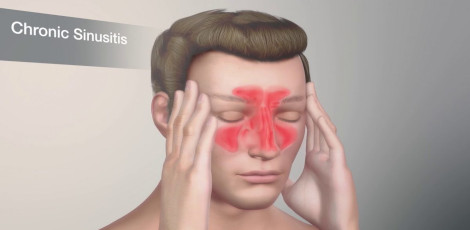
Sinusitis is a common condition where the sinus cavities become inflamed, leading to nasal blockage, facial pain, headache, and breathing discomfort. It can affect people of all ages and is often linked to infections or allergies.
Symptoms of Sinusitis
– Stuffy or blocked nose
– Facial pain or pressure (eyes, cheeks, forehead)
– Headache and sinus pressure
– Thick nasal discharge
– Post-nasal drip
– Reduced sense of smell
– Fever and fatigue (in some cases)
Causes
– Viral infections like the common cold
– Bacterial infections
– Allergies and dust exposure
– Nasal polyps or structural issues
– Pollution and environmental factors
Treatment
– Steam inhalation and hydration
– Nasal sprays and decongestants
– Antihistamines for allergies
– Antibiotics (if bacterial infection)
Most mild cases improve within 7–10 days with proper care.
Prevention Tips
– Avoid dust and allergens
– Maintain hygiene
– Stay hydrated
– Treat colds early