by vellorecity | May 7, 2026 | Health, News
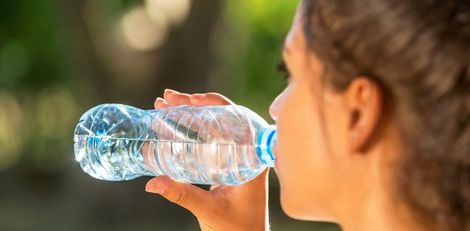
Urination frequency varies from person to person, but most healthy adults typically urinate around 6 to 7 times a day. Changes in how often you pee may sometimes indicate an underlying health issue.
What Affects Urination Frequency?
Several factors can influence how often you urinate:
– Amount of water and fluids you drink
– Caffeine or alcohol intake
– Certain medications like diuretics
– Age and bladder size
– Medical conditions such as UTI or diabetes
Common Reasons for Frequent Urination
– Urinary Tract Infection (UTI): Burning sensation and constant urge to urinate
– Diabetes: Excess sugar causes the body to remove more fluids
– Pregnancy: Hormonal changes and bladder pressure increase urination
– Overactive bladder: Sudden and frequent urge to pee
– Kidney stones: Painful urination with urgency or blood in urine
– Anxiety or stress: Can stimulate bladder activity
– Excess caffeine or alcohol: Natural diuretic effect
When Less Urination Can Be a Concern
Reduced urine output may be linked to:
– Dehydration
– Enlarged prostate in men
– Kidney-related issues
– Urinary blockage or retention
Signs You Should See a Doctor
Seek medical advice if you notice:
– Blood in urine
– Pain or burning while urinating
– Fever or back pain
– Strong-smelling or cloudy urine
– Feeling that the bladder is not emptying fully
– Sudden major changes in urination patterns
Tips for a Healthy Urinary System
– Drink enough water daily
– Avoid holding urine for too long
– Reduce excess caffeine and alcohol
– Maintain good hygiene
– Eat probiotic-rich foods like yogurt
– Wear breathable cotton underwear
Disclaimer
This content is for informational purposes only and should not be considered medical adadvice. Consult a qualified healthcare professional if you experience persistent urinary issues or unusual symptoms.
by vellorecity | May 6, 2026 | Health, News
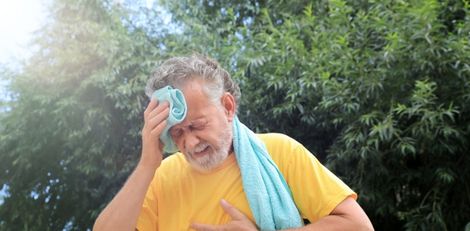
Summer in India often brings extreme heat, humidity, and lifestyle changes that can increase the risk of several health problems. Most of these illnesses are preventable with basic care and hygiene.
Most Common Summer Health Problems
– Heat Stroke: Overheating due to prolonged sun exposure; causes dizziness, weakness, and confusion
– Dehydration: Loss of body fluids through sweating leading to fatigue and dark urine
– Food Poisoning: Consuming contaminated or improperly stored food
– Heat Rashes: Small itchy bumps caused by blocked sweat glands
– Sunburn: Skin damage from excessive UV exposure
– Typhoid: Bacterial infection from unsafe food or water
– Waterborne Diseases: Includes cholera, dysentery, and hepatitis A
– Chickenpox, Measles, Mumps: Viral infections that spread more easily in hot seasons
How to Prevent Summer Diseases
– Drink plenty of water and stay hydrated throughout the day
– Eat fresh, home-cooked meals and avoid street food during peak heat
– Wear light, breathable cotton clothing
– Use sunscreen, hats, or umbrellas when going outdoors
– Maintain good hygiene, including frequent handwashing
– Store and consume food safely (refrigerate leftovers properly)
– Avoid direct sun exposure during peak hours (12 PM–4 PM)
Simple Health Tip
Small daily habits like hydration, hygiene, and sun protection can significantly reduce the risk of summer-related illnesses.
Disclaimer
This content is for informational purposes only and should not be considered medical advice. Always consult a qualified healthcare professional for diagnosis or treatment of any health condition.

by vellorecity | May 5, 2026 | Health, News
Sapota, also known as chikoo, is a nutrient-rich fruit packed with fiber, vitamins A & C, and potassium, offering several health benefits when consumed regularly.
Key Health Benefits
– Improves digestion: High fiber content helps prevent constipation and supports gut health
– Boosts immunity: Rich in vitamins that strengthen the body’s defense system
– Instant energy: Natural sugars like glucose and fructose provide quick energy
– Supports bone strength: Contains calcium and phosphorus
– Good for heart health: Helps regulate blood pressure and reduce cholesterol
– Enhances skin health: Promotes a natural glow with regular intake
Additional Traditional Uses
– May help reduce stress and fatigue
– Beneficial for pregnant women by providing energy and easing discomfort
– Helps cool the body and reduce summer heat effects
– Can support better sleep when consumed at night
Important Notes
– Always eat fully ripe sapota
– Due to high natural sugar content, diabetic patients should limit or avoid it
Disclaimer
This content is for informational purposes only. It is not a substitute for medical advice. Please consult a healthcare professional before using it for any health-related condition.
by vellorecity | May 4, 2026 | Health, News
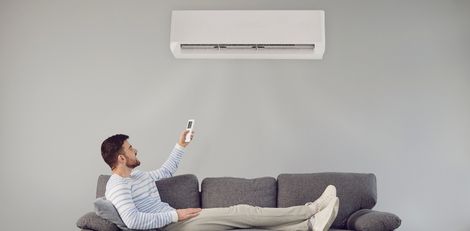
Air conditioning is a relief in hot weather, but spending long hours daily in an AC room can have both benefits and side effects on your body.
Benefits of Using AC
– Helps prevent heat-related issues like dehydration and heatstroke
– Improves indoor air quality by filtering dust and allergens
– Can reduce symptoms for people with allergies or asthma
Possible Side Effects of Continuous AC Exposure
– Dehydration: AC removes moisture from the air, causing fluid loss
– Dryness: Leads to dry skin, irritated eyes, and nasal discomfort
– Lower immunity: Constant cold exposure may weaken resistance over time
– Breathing issues: Poorly maintained AC can spread dust and allergens
– Muscle stiffness: Cold temperatures can cause joint and muscle tightness
– Temperature dependency: Body may struggle to adjust to natural weather changes
How to Use AC Safely
– Drink plenty of water to stay hydrated
– Use a humidifier to balance dry air
– Take breaks and get fresh air regularly
– Clean AC filters to avoid dust and bacteria buildup
– Set AC at a comfortable temperature, not too cold
– Apply moisturizer to prevent skin dryness
Disclaimer
This content is for informational purposes only and not a substitute for professional medical advice. Follow healthy practices and consult a qualified expert if you experience any health concerns.

by vellorecity | Apr 30, 2026 | Health, News
Many parents worry about using air conditioning around babies, but when used correctly, it is safe and even beneficial. Maintaining a stable, comfortable temperature helps babies sleep better and prevents overheating.
Is AC Safe for Babies?
Yes. Air conditioning does not cause illness. In fact, it helps protect babies from heat stress and dehydration. Problems usually arise only from improper use.
Common Mistakes to Avoid
– Setting temperature too cold or too hot
– Allowing direct airflow on the baby
– Not cleaning AC filters regularly
– Sudden shifts between hot and cold environments
Ideal Room Conditions
– Temperature: Around 20°C-22°C (slightly cooler at night)
– Humidity: Between 35%-50% for comfort
– Use a thermometer to monitor the room accurately
Safe Usage Tips
– Keep airflow indirect and gentle
– Dress your baby in light, breathable clothing
– Avoid overdressing or overheating
– Use a humidifier if the air becomes too dry
– Ensure the AC runs quietly for better sleep
Air Quality Matters
Clean air is essential for babies:
– Clean filters every 2-4 weeks
– Maintain proper ventilation
– Avoid dust, mold, and pollutants in the room
Watch Your Baby’s Signals
– Too cold: cool skin, fussiness
– Too warm: sweating, redness, restlessness
Your baby’s comfort is the best indicator-not just the temperature setting.
Disclaimer
This content is for informational purposes only. It does not replace professional medical advice. Always consult a qualified pediatrician to ensure your baby’s safety and well-being.
by vellorecity | Apr 29, 2026 | Health, News
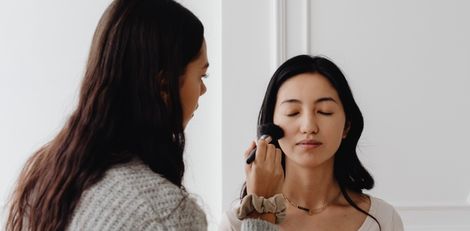
Makeup is widely used in daily routines, but frequent or improper use can affect your skin’s health depending on product type, usage habits, and skin sensitivity.
Common Skin Problems Linked to Makeup
– Clogged pores: Leaving makeup on for long hours can trap dirt and oil, leading to blackheads, whiteheads, and acne.
– Breakouts: Can worsen acne, especially with heavy or oil-based products.
– Dry or oily skin: Wrong product type may disrupt natural skin balance.
– Premature aging: Poor cleansing may reduce skin renewal, contributing to fine lines and wrinkles.
– Pigmentation issues: Irritating products may cause dark spots or uneven skin tone.
– Eye irritation: Old or contaminated eye makeup can lead to infections or sensitivity.
Why It Happens
Makeup products can sometimes contain ingredients that:
– Block natural skin breathing
– Irritate the skin barrier
– Carry bacteria when not cleaned properly
– Interact poorly with sensitive skin types
Healthy Makeup Habits
– Choose non-comedogenic and skin-friendly products
– Remove makeup completely every night
– Clean brushes and sponges regularly
– Avoid wearing makeup during workouts
– Replace eye makeup products every few months
– Use sunscreen daily for protection against aging
Skin Care Tip
A proper cleansing routine, especially double cleansing (oil-based + water-based cleanser), helps remove makeup effectively and supports healthier skin.
Disclaimer
This content is for informational purposes only and should not be considered medical advice. Always consult a qualified dermatologist for skin-related concerns or persistent issues.