
by vellorecity | Apr 28, 2026 | Health, News
Bad breath is usually caused by bacteria in the mouth that break down food particles and release unpleasant odors. Poor oral hygiene, certain foods like garlic and onions, and dry mouth are the most common reasons.
Common Causes
– Improper brushing and flossing
– Food particles stuck in teeth
– Dry mouth (low saliva)
– Strong-smelling foods like onions and garlic
– In some cases, underlying health issues
Easy Home Remedies
– Brush & Floss Properly: Clean teeth twice daily and floss once
– Clean Your Tongue: Removes odor-causing bacteria
– Drink More Water: Keeps mouth hydrated and fresh
– Eat Yogurt: Good bacteria help fight bad odor
– Try Natural Fresheners: Parsley, fennel seeds, and apples
– Green Tea: Helps reduce bacteria and smell
– Milk: Reduces strong food odors like garlic
Quick DIY Rinses
– Baking soda + water: Reduces bacteria
– Vinegar + water: Controls odor-causing microbes
When to Check a Doctor
If bad breath continues even after proper care, it may be linked to a health condition. Seek medical advice if needed.
Disclaimer
This content is for informational purposes only. It is not a substitute for professional medical advice. Follow proper hygiene and consult a qualified expert to avoid any health-related problems.

by vellorecity | Apr 27, 2026 | Health, News
Nail biting is a common habit that often starts in childhood and can continue into adulthood. While it may seem harmless, it is usually linked to stress, anxiety, boredom, or unconscious behavior.
Why People Bite Their Nails
– Stress or anxiety – A coping mechanism during nervous situations
– Boredom or inactivity – Happens without conscious awareness
– Habit from childhood – Many people simply never outgrow it
– Emotional triggers – Feelings like insecurity or frustration
Why You Should Stop
Although nail biting may not cause permanent damage, it can lead to several problems:
– Damaged nail growth – Nails may grow unevenly or abnormally
– Dental issues – Risk of chipping or cracking teeth
– Health risks – Germs from hands can enter the body easily
– Skin infections – Broken skin around nails allows bacteria to enter
How to Break the Habit
Keep nails short
Short nails make biting less satisfying and reduce the urge.
Use bitter nail coatings
Special coatings with a bad taste can discourage the habit.
Take care of your nails
Maintaining clean, well-groomed nails can motivate you to avoid damaging them.
Cover your nails
Wearing gloves or nail covers can physically prevent biting.
Identify triggers
Notice when and why you bite your nails, then find healthier alternatives.
Keep hands and mouth busy
Use a stress ball, pen, or chewing gum to redirect the habit.
Start small
Focus on stopping one nail at a time instead of quitting all at once.
When to Seek Help
If nail biting continues despite trying multiple methods, it may be helpful to seek professional guidance to address underlying emotional or behavioral causes.
Final Thought
Nail biting is often an automatic habit, but with awareness and small consistent efforts, it can be controlled and eventually stopped.
Disclaimer: This content is provided for informational purposes only. It is prepared carefully to avoid any issues and should not be considered medical advice. Consult a qualified professional if the habit persists or causes health coconcerns.
by vellorecity | Apr 25, 2026 | Health, News
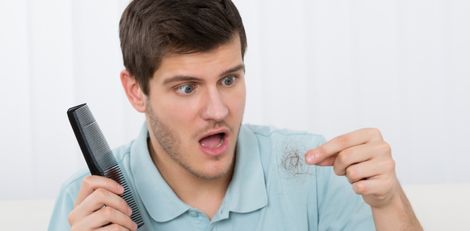
Many people believe that shaving the head can reduce or stop hair fall. However, experts clarify that this is a common myth. Shaving only removes the visible hair above the scalp and does not affect the hair roots or growth cycle.
Key Facts
– Hair grows from follicles located beneath the skin, which are untouched by shaving
– Shaving does not change hair thickness, growth rate, or density
– Hair fall is mainly caused by genetics, hormones, stress, and nutritional deficiencies
– The average hair growth rate remains the same, regardless of shaving
Why Hair Looks Thicker After Shaving
After shaving, hair may appear thicker or darker, but this is only temporary.
– Shaving creates a blunt edge, making regrowth feel coarser
– The actual hair structure remains unchanged
What Actually Causes Hair Loss
Hair loss can occur due to several underlying factors, including:
– Genetic conditions such as pattern baldness
– Hormonal imbalances
– Nutritional deficiencies (iron, vitamins, protein)
– Stress or illness
– Certain medical conditions or medications
Effective Ways to Manage Hair Loss
Medical treatments
Options like topical solutions, oral medications, or advanced therapies can help improve follicle health and hair growth.
Healthy diet
A balanced diet rich in protein, iron, and vitamins supports stronger hair.
Regular scalp care
Gentle hair care and scalp massage can improve blood circulation and hair strength.
Lifestyle management
Reducing stress and maintaining overall health plays a key role in preventing excessive hair fall.
When to Seek Medical Advice
Consult a professional if you notice:
– Sudden or excessive hair loss
– Patchy or uneven hair fall
– Hair loss with itching, redness, or scalp issues
These may indicate an underlying condition that requires proper evaluation.
Final Thought
Shaving your head may change the appearance of your hair temporarily, but it does not stop hair fall or improve hair growth. Addressing the root cause is essential for effectiveve treatment.
Disclaimer: This content is provided for informational purposes only. It is prepared carefully to avoid any issues and should not be considered medical advice. Consult a qualified healthcare professional for proper diagnosis and treatment.

by vellorecity | Apr 24, 2026 | Health, News
Sleep problems are becoming increasingly common due to modern lifestyle changes and unhealthy habits. Lack of proper sleep can lead to daytime fatigue, poor concentration, and even weight-related issues. Understanding the causes of insomnia and correcting them can help restore healthy sleep.
How to Identify Sleep Problems
You may have sleep issues if:
– You struggle to fall asleep or stay asleep
– You wake up feeling tired instead of refreshed
If both apply, it may indicate insufficient or poor-quality sleep.
Common Causes of Insomnia
– Stress, anxiety, or depression
– Sudden life changes or emotional events
– Poor sleep habits like using mobile phones or watching TV in bed
– Environmental factors such as noise or bright light
Common Symptoms
People with sleep problems may experience:
– Difficulty falling asleep
– Disturbed sleep with frequent dreams or interruptions
– Feeling exhausted even after sleeping
– Waking up early (around 2-4 AM) and unable to sleep again
Tips to Fall Asleep Faster
Create a dark environment
The body releases melatonin, a sleep hormone, in low light. Bright light can reduce its production, making sleep harder.
Maintain a calm bedroom setup
Keep your bedroom quiet, dimly lit, and comfortable. Use a supportive pillow and bed.
Avoid screens before bed
Stop using phones, TV, or other screens at least 1-2 hours before sleep, as they interfere with natural sleep signals.
Use the bed only for sleep
If you can’t sleep within 15 minutes, get up and move to another room. Sit calmly, read a book in low light, and return only when you feel sleepy.
Fix the root cause
If sleep issues are linked to mental health conditions or stress, addressing those problems can improve sleep naturally.
Final Thought
Good sleep is essential for both physical and mental health. By improving sleep habits and creating the right environment, you can train your body to fall asleep naturally and wake up refreshed.
Disclaimer: This content is provided for informational purposes only. It is prepared carefully to avoid any issues and should not be considered medical advice. Consult a qualified professional if sleep problems persist.
by vellorecity | Apr 22, 2026 | Health, News
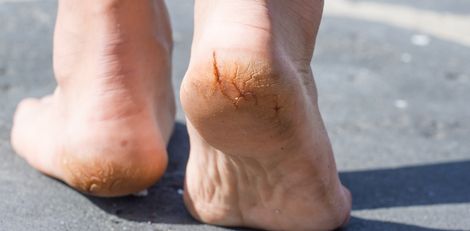
Foot care is often overlooked, even though it plays an important role in overall health. Neglecting the feet can lead to cracked heels, pain, dryness, and infections. Experts suggest that simple home remedies can help maintain both foot health and appearance.
Why Foot Care Matters
The feet contain important nerve connections that influence the body. Proper care, including cleaning and gentle massage, can improve blood circulation and relaxation.
Common Problems
Ignoring minor cracks can lead to:
– Deep fissures and wounds
– Pain, burning, and itching
– Increased complications, especially for people with diabetes
Simple Home Remedies
Henna leaves and turmeric paste
Grind henna leaves with turmeric and apply on cracked areas after washing feet. Use this remedy twice a week for gradual improvement.
Note: Avoid leaving it overnight, especially if you are sensitive to cold.
Lemon water soak
Soak feet in warm water mixed with lemon juice for 15 minutes, then gently scrub. This helps remove dead skin and dirt, leaving feet soft and clean.
Turmeric and oil treatment
Mix turmeric with natural oils like sesame or castor oil and apply on cracks. This can reduce pain, inflammation, and infection, while improving healing.
Oil massage
Regular massage using coconut oil, almond oil, or olive oil helps soften dry skin and reduce cracks.
Natural fruit packs
Applying mashed papaya or pineapple can improve skin texture and add natural glow.
Onion juice remedy
Mix onion juice with turmeric and apply to affected areas to help reduce cracks over time.
Additional Care Tips
– Keep nails clean and trimmed
– Avoid walking barefoot outdoors
– Clean feet regularly with a soft brush
– Use comfortable footwear instead of hard or high-heeled shoes
– Dry feet properly and apply moisturizer or oil after washing
Final Thought
Foot care is not just about appearance-it is also essential for overall health and hygiene. Regular care using simple household ingredients can help prevent and treat cracked heels effectively.
Disclaimer:<: This content is provided for informational purposes only. It is prepared carefully to avoid any issues and should not be considered medical advice. Consult a qualified professional if symptoms persist or worsen.

by vellorecity | Apr 21, 2026 | Health, News
Daytime sleepiness at work can affect productivity, focus, and overall performance. While occasional tiredness may seem harmless, repeated fatigue can lead to missed deadlines and reduced efficiency. Experts suggest that small adjustments in daily habits can help improve alertness.
Key Takeaways
– Short power naps can provide a quick energy boost.
– A well-lit and ventilated workspace helps maintain alertness.
– Choosing a light, healthy lunch prevents afternoon energy crashes.
Practical Ways to Stay Awake and Focused
Use caffeine wisely
A moderate amount of caffeine can boost brain activity and improve focus, but too much may cause restlessness and disrupt sleep later.
Take a short power nap
A 15-30 minute nap during breaks can refresh your mind and restore energy.
Move around regularly
Sitting for long periods can increase fatigue. Standing, stretching, or walking briefly helps improve blood flow and concentration.
Listen to upbeat music
Energetic music can stimulate your mind and keep you engaged, especially during repetitive tasks.
Choose a light lunch
Heavy or sugary meals can make you feel sluggish. Opt for balanced meals with protein, fruits, and whole grains.
Keep your workspace bright
Exposure to natural light can boost energy and regulate your internal body clock.
Refresh with cold water
Splashing cold water on your face can quickly increase alertness.
Use air circulation
A fan or fresh air can help you feel more awake and less drowsy.
Stay mentally engaged
Periods of inactivity can worsen sleepiness. Keeping yourself occupied helps maintain focus.
Important Note
If daytime sleepiness continues for weeks, it may indicate an underlying health issue. Seeking professional advice can help identify and treat the root cause.
Disclaimer: This content is provided for informational purposes only. It is written carefully to avoid any issues and should not be considered medical advice. Consult a qualified professional if symptoms persist.