by vellorecity | May 14, 2026 | Health, News
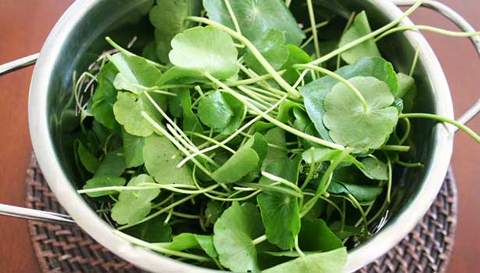
Vallarai Keerai, also known as Gotu Kola, is a traditional medicinal herb widely used in South Indian cooking and Ayurveda. It is valued for its ability to support brain health, memory, immunity, and overall wellness.
Major Health Benefits
– Improves Memory & Concentration: Helps support brain function and nervous system activity
– Reduces Stress & Anxiety: Known for its calming and mood-balancing effects
– Boosts Immunity: Rich in Vitamin C and antioxidants
– Supports Heart Health: Potassium content may help maintain healthy blood pressure
– Aids Digestion: Helps relieve constipation and indigestion
– Strengthens Bones & Muscles: Contains calcium and essential minerals
– Promotes Healthy Skin & Hair: Antioxidants may help reduce acne, dandruff, and hair fall
Popular Ways to Eat It
– Poriyal
– Dosa
– Soup
– Chutney (Thuvayal)
– Herbal juice or salad
Possible Side Effects
Though generally safe, consuming it in excess amounts may lead to digestive discomfort. Pregnant women and people with health concerns should consult a healthcare professional before regular use.
Disclaimer
This content is for informational purposes only and is not medical advice. Consult a qualified healthcare professional before making dietary or health-related decisions.
by vellorecity | May 13, 2026 | Health, News
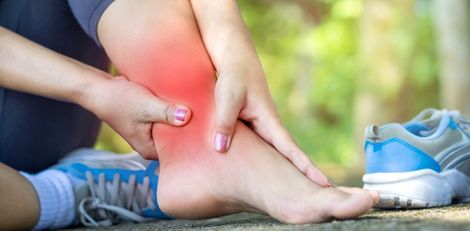
Sitting for long hours at work or during travel can lead to heavy legs, swelling, numbness, and poor blood circulation. A simple movement called the ankle pump exercise may help improve blood flow and reduce discomfort.
Why Ankle Pumps Help
The exercise activates the calf muscles, often called the body’s “second heart,” helping push blood back toward the heart and reducing blood pooling in the legs.
Regular practice may help:
– Improve blood circulation
– Reduce leg swelling and numbness
– Prevent stiffness from prolonged sitting
– Lower the risk of circulation-related issues
How to Do the Exercise
1. Sit comfortably with relaxed legs
2. Point your toes downward
3. Pull your toes back toward your shin
4. Repeat the motion slowly 20–30 times
You can also do this while lying down or during long travel.
Extra Tips for Better Leg Health
– Take short walking breaks regularly
– Stay hydrated
– Avoid sitting continuously for long periods
– Wear compression socks if needed
When to Seek Medical Advice
Consult a doctor if you experience:
– Persistent swelling
– Leg pain
– Skin discoloration
– Severe numbness or discomfort
Disclaimer
This content is for informational purposes only and should not replace professional medical advice. Consult a healthcare professional before starting any exercise routine, especially if you have existing health conditions.

by vellorecity | May 12, 2026 | Health, News
Stomach pain can happen due to indigestion, gas, constipation, acidity, infections, or food intolerance. In many mild cases, simple home remedies may help provide relief.
Simple Remedies for Stomach Discomfort
– Drink enough water: Helps digestion and prevents dehydration
– Avoid lying down immediately after eating: Reduces acidity and heartburn
– Try ginger: May help ease nausea and indigestion
– Eat bland foods: Banana, rice, toast, and applesauce are gentle on the stomach
– Avoid spicy, oily, and fatty foods: These can worsen irritation
– Limit smoking and alcohol: Both can trigger digestive problems
– Use baking soda carefully: Can reduce acidity temporarily
– Consume plain rice: Helpful during diarrhea or stomach upset
– Drink herbal options: Basil, licorice tea, or aloe vera juice may help some people
Common Causes of Stomach Pain
– Gas and indigestion
– Constipation or diarrhea
– Food allergies or intolerance
– Acid reflux
– Viral infections
In some cases, stomach pain may signal a serious condition.
When to See a Doctor
Seek medical attention if stomach pain comes with:
– Severe or sudden pain
– Vomiting blood
– Black or bloody stools
– Chest pain or breathing difficulty
– Fever, jaundice, or weight loss
Prevention Tips
– Eat slowly
– Stay hydrated
– Exercise regularly
– Reduce stress
– Avoid foods that trigger discomfort
Disclaimer
This content is for informational purposes only and should not replace professional medical advice. Consult a qualified healthcare professional if symptoms persist or become severe.

by vellorecity | May 11, 2026 | Health, News
Anger is a natural emotion, but when it is not managed properly, it can negatively affect both mental and physical health.
What Happens to the Body During Anger?
Anger activates the body’s “fight or flight” response, causing:
– Increased heart rate
– Higher blood pressure
– Faster breathing
– Release of stress hormones like adrenaline and cortisol
Health Problems Linked to Frequent Anger
Long-term uncontrolled anger may lead to:
– Headaches
– High blood pressure
– Sleep problems
– Anxiety and depression
– Digestive issues
– Increased risk of heart attack and stroke
Healthy Ways to Handle Anger
– Walk away and calm down before reacting
– Exercise or do physical activity
– Talk to someone you trust
– Practice relaxation methods like meditation or yoga
– Identify the real reason behind your anger
Unhealthy Reactions to Avoid
– Explosive outbursts or violence
– Suppressing emotions completely
– Taking anger out on others
These behaviors can damage relationships and mental well-being.
Why Managing Anger Matters
Proper anger control can:
– Improve relationships
– Reduce stress
– Help you sleep better
– Improve overall emotional health
Disclaimer
This content is for informational purposes only and should not replace professional mental health advice. If anger is affecting your daily life or relationships, consult a qualified healthcare professional.
by vellorecity | May 9, 2026 | Health, News
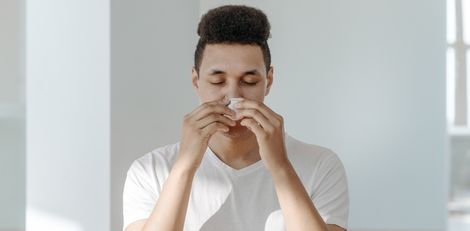
Your nose helps filter dust, allergens, and pollutants while supporting healthy breathing. Maintaining proper nasal hygiene can help reduce irritation, infections, and breathing discomfort.
1. Maintain Good Hygiene
Wash your hands regularly to reduce bacteria and viruses that may enter through the nose, eyes, or mouth.
2. Stay Properly Hydrated
Drinking enough water helps keep mucus thin, making it easier for the nasal passages to stay clear and healthy.
3. Avoid Air Pollution
Smoke, dust, and polluted air can irritate the nose and sinuses. Try to avoid:
– Smoking areas
– Open burning
– Dusty or highly polluted places
4. Keep Indoor Air Comfortable
Dry air may irritate the nose. Using a humidifier can help maintain moisture in the air and improve breathing comfort. Clean humidifiers regularly to avoid bacteria buildup.
5. Use Nasal Sprays Carefully
Saline nasal sprays may help reduce nasal dryness and congestion. Use preservative-free products when needed and follow medical advice for regular usage.
Why Nasal Care Matters
Good nasal hygiene can:
– Improve breathing
– Reduce allergy irritation
– Lower chances of sinus discomfort
– Support better sleep quality
Disclaimer
This content is for informational purposes only and should not be considered medical advice. Consult a healthcare professional for persistent nasal or breathing problems.
by vellorecity | May 8, 2026 | Health, News
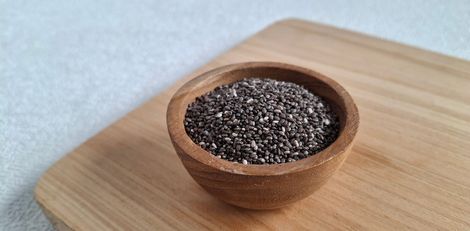
Chia seeds are packed with fiber, protein, and healthy nutrients, making them a popular addition to many weight loss diets. While they may support healthy eating habits, they are not a magic solution for quick weight loss.
How Chia Seeds May Support Weight Loss
– High in fiber, which helps you feel full longer
– May help reduce overeating and unnecessary snacking
– Expands when mixed with liquid, creating a filling texture
– Can support a balanced diet when used in moderation
Nutritional Benefits
Chia seeds are a good source of:
– Protein
– Calcium
– Magnesium
– Antioxidants
– Healthy fats and minerals
They are also naturally gluten-free.
Easy Ways to Use Chia Seeds
You can add chia seeds to:
– Smoothies
– Oatmeal
– Yogurt
– Salads
– Soups
– Homemade drinks
– Chia pudding
For best results, soak chia seeds in water or milk for 10-15 minutes before consuming.
Important Things to Remember
– Eating too many chia seeds may cause bloating or digestive discomfort
– Always drink enough water when consuming high-fiber foods
– Avoid eating dry chia seeds directly, especially if you have swallowing difficulties
Simple Health Tip
Using chia seeds along with a healthy diet, exercise, and proper lifestyle habits may support long-term weight management.
Disclaimer
This content is for informational purposes only and should not be considered medical advice. Consult a healthcare professional or nutrition expert before making major dietary changes.