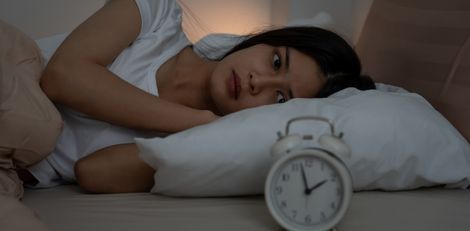
Experts caution that sleeping after 1 AM can directly affect hormone balance, weight management, blood sugar control, mood, and immunity.
Why Late Sleep Is Harmful
Sleeping late has become a common habit due to social media scrolling, binge-watching web series, or unfinished work. However, according to Dr. Dinesh Singh Thakur, a leading surgeon in India, delaying sleep disrupts the body’s natural repair processes.
“Sleep is not just rest; it is the time when the body repairs itself. Sleeping between 9 PM and 3 AM is crucial for optimal health,” says Dr. Thakur.
What Happens During Sleep
During proper sleep:
– The brain restores itself for the next day – Hormones are balanced – The immune system strengthens – Growth and repair processes function efficiently
Consequences of Sleeping After 1 AM
– 9–10 PM: Toxin removal and cell repair begin – 11 PM: Melatonin peaks, promoting deep sleep – 12 AM: Hormones like HGH (fat-burning) are released – 1–2 AM: If awake, liver detoxification slows – After 3 AM: Sleep becomes lighter and repair processes decrease
Skipping these hours affects hormone regulation, weight control, blood sugar, and mental health.
Scientific Support
– Studies show that even one night of insufficient sleep can weaken immunity and increase health risks. – Research from Uppsala University (2025) indicates that missing adequate sleep triggers processes that raise the risk of heart disease.
Tips to Fix Your Sleep Schedule
recommends:
– Aim to sleep before 11 PM – Avoid caffeine after 4 PM – Reduce screen exposure 1 hour before bed – Include magnesium-rich foods such as bananas, nuts, greens, and dark chocolate
Disclaimer: This information is for informational purposes only and does not replace professional medical advice. Follow proper sleep hygiene for optimal health.
“Anandha Thandavame” is a soulful lyrical and visual devotional presentation by Jayanthi Raja Seenivasan from JRSshares. Beautifully dedicated to Lord Shiva on the auspicious occasion of Mahashivratri, this creation captures the spiritual essence of Shiva’s cosmic dance – the Ananda Thandavam.
The video blends meaningful Tamil lyrics, divine music, and spiritually uplifting visuals that reflect the power and grace of Lord Shiva as Nataraja. The concept portrays the eternal cycle of creation, preservation, and destruction through Shiva’s cosmic dance.
This devotional offering serves as a humble tribute, inviting devotees to experience inner peace, devotion, and spiritual awakening during Mahashivratri.
Why Watch Anandha Thandavame?
– Powerful Mahashivratri special dedication
– Deep spiritual meaning of Shiva’s cosmic dance
– Emotionally resonant music and visuals
– A devotional treat for Shiva devotees worldwide
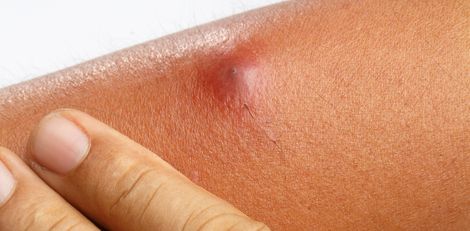
A boil is a contagious skin infection that begins in a hair follicle or oil gland. It usually starts as a red, tender lump and later fills with pus, forming a white head before draining and healing.
Common Locations
Boils can appear anywhere, especially in areas with friction or sweating, such as:
– Inner thighs – Groin or genital area – Buttocks – Face – Armpits – Gums (abscess) – Neck, shoulders, back, or legs Clusters of boils may indicate a more serious infection (carbuncle).
Causes
Most boils are caused by Staphylococcus aureus bacteria entering through small cuts or hair follicles. Risk factors include:
– Diabetes – Weakened immune system – Skin conditions like acne or eczema – Close contact with infected individuals – Obesity
Boils can spread through skin contact or shared personal items.
Symptoms
– Painful, red lump that grows over time – Swelling and tenderness – Formation of pus – Lump eventually bursts and drains Boils tend to hurt more and grow faster than pimples, and unlike cysts, they are infectious.
Duration and When to Seek Help
Most heal within 2-3 weeks. Consult a doctor if you notice:
– Fever or swollen lymph nodes – Severe pain or multiple boils – Boils on the face or spine – No healing after two weeks – Recurring infections
Self-Care and Treatment
– Apply warm compresses several times daily – Keep the area clean and covered – Avoid squeezing or popping – Maintain hygiene and wash linens regularly – Use pain relief medication if needed
Doctors may prescribe antibiotics or drainage procedures for severe cases.
Prevention Tips
– Practice good hygiene – Treat small wounds promptly – Avoid sharing personal items – Maintain a healthy lifestyle to support immunity
Summary
Boils are painful bacterial skin infections that usually resolve on their own with proper care. Monitoring symptoms and maintaining hygiene are key, while persistent or severe cases require medical attention.
Disclaimer:
This content is for informational purposes only and should not replace professional medical advice, diagnosis, or treatment. Always consult a qualified healthcare provider for concerns about skin infections or persistent symptoms.
Gold prices in Chennai have declined on Monday morning, with the rate falling by ₹960 per sovereign. The latest correction comes after recent fluctuations in the bullion market, where prices had previously touched record highs.
📉 Today’s Gold Rate in Chennai
Gold (1 Sovereign / 8 grams) – ₹1,15,520 (↓ Down by ₹960)
Gold (1 Gram) – ₹14,440
Last weekend, gold prices had increased by ₹1,280 per sovereign to ₹1,16,480. However, the latest drop reflects ongoing volatility in both domestic and international gold markets.
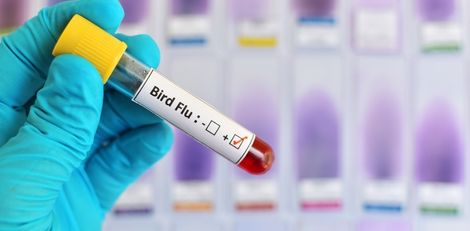
Bird flu (avian influenza) is a viral infection that mainly affects birds but can sometimes infect humans. The most concerning strain is H5N1, which can cause severe illness in rare human cases. Infection usually happens through close contact with infected birds or contaminated surfaces.
How Bird Flu Spreads
Humans may get infected by:
– Handling sick or dead birds
– Contact with bird droppings or contaminated equipment
– Working in poultry farms or live bird markets
– Eating undercooked poultry or eggs
Human-to-human transmission is extremely rare.
Symptoms in Humans
Early symptoms are similar to regular flu:
– High fever (above 38°C)
– Cough and sore throat
– Muscle aches
– Fatigue
Severe cases may lead to:
– Breathing difficulty
– Pneumonia
– Chest pain
– Diarrhoea or eye redness (in some cases)
Seek medical attention immediately if you develop flu-like symptoms after exposure to birds.
Diagnosis
Doctors confirm bird flu through:
– PCR testing
– Respiratory swabs
– Chest imaging if complications are suspected
Early testing improves outcomes.
Treatment
There is no specific cure, but antiviral medicines such as Oseltamivir (Tamiflu) can reduce severity if started early. Severe cases may require hospital care, oxygen support, and close monitoring.
Prevention Tips
– Avoid touching sick or dead birds
– Wash hands thoroughly after handling poultry
– Cook poultry at 75°C or higher
– Follow government health advisories during outbreaks
Conclusion
Although human cases are rare, bird flu can become serious if untreated. Awareness, hygiene, and early medical care are key to preventing complications.
Disclaimer
This content is for general information only and does not replace professional medical advice. Always consult a qualified healthcare provider if you suspect bird flu or experience concerning symptoms.