Gold Price in Chennai Today (March 17, 2026): Rate Falls to ₹1,17,200 per Sovereign

Gold Price in Chennai Today (March 17, 2026): Rate Falls to ₹1,17,200 per Sovereign

Gold prices in Chennai have continued their downward trend on March 17, 2026, offering some relief to buyers. The price of 22K ornamental gold has dropped by ₹480 per sovereign, bringing the rate down to ₹1,17,200 per sovereign. On a per gram basis, gold prices have decreased by ₹60, now standing at ₹14,650 per gram.

Over the past few days, gold rates in Chennai have been consistently declining. On March 12, prices fell sharply by ₹1,200 per sovereign to ₹1,19,760. This was followed by a drop of ₹560 on March 13, taking the rate to ₹1,19,200. On March 14, gold prices declined further by ₹1,120, reaching ₹1,18,080 per sovereign.

At the beginning of the week (March 16), gold prices dipped again, with a reduction of ₹400 per sovereign to ₹1,17,680 and ₹50 per gram to ₹14,710. Continuing this trend, today’s additional fall highlights a sustained bearish movement in gold prices.

Market experts attribute this decline to fluctuations in global gold rates, a stronger US dollar, and changing economic conditions worldwide.

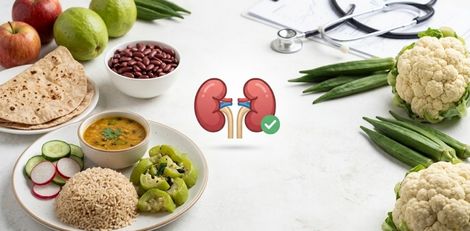
Kidney-Friendly Eating Plan (CKD Guide)

Kidney-Friendly Eating Plan (CKD Guide)

kidney-friendly eating plan helps people with chronic kidney disease (CKD) stay healthy by reducing the workload on the kidneys and slowing disease progression.

What is a Kidney-Friendly Diet?

It focuses on eating the right foods and limiting certain nutrients like sodium, potassium, phosphorus, and fluids to prevent buildup in the body.

Why It’s Important

– Slows kidney damage
– Controls blood pressure and diabetes
– Prevents fluid buildup and complications
– Supports energy, muscle health, and overall well-being

Key Diet Guidelines

Protein (Moderation is Key)

– Needed for body repair, but excess can strain kidneys
– Prefer lean proteins like eggs, chicken, and fish
– Follow doctor/dietitian advice on quantity

Healthy Fats

– Choose good fats like olive oil
– Limit unhealthy fats to avoid heart issues

Carbohydrates

– Focus on whole grains, fruits, and vegetables
– Avoid sugary foods and drinks

Sodium (Salt)

– Limit salt to prevent swelling and high blood pressure
– Use herbs/spices instead of salt
– Avoid processed and packaged foods

Managing Key Minerals

Potassium

– Too much or too little affects heart and muscles
– Limit high-potassium foods like bananas, potatoes, and spinach if advised

Phosphorus

– High levels can weaken bones
– Avoid foods like nuts, seeds, and cola drinks

Fluids

– May need to limit water and liquid foods
– Helps prevent swelling and heart strain

Portion Control Tips

– Check serving sizes on labels
– Eat slowly and stop when full
– Avoid distracted eating

Other Important Tips

– Plan meals in advance
– Stay physically active
– Work with a dietitian for a personalized plan
– Adjust diet based on CKD stage and conditions like diabetes

Takeaway

A kidney-friendly diet focuses on balanced nutrition, controlled portions, and limiting harmful nutrients. With proper planning and medical guidance, it c can help manage CKD and improve quality of life.

Disclaimer: This content is for informational purposes only and not a substitute for medical advice. Always consult a doctor or dietitian before making dietary changes.

Summer Health Tips: Foods and Simple Remedies to Reduce Body Heat

Summer Health Tips: Foods and Simple Remedies to Reduce Body Heat

As the summer season begins and temperatures continue to rise, taking proper care of health becomes very important. The intense heat and strong sunlight can cause dehydration, fatigue, skin problems and digestive issues. Following simple summer health tips and natural remedies can help maintain good health during the hot season.

Choose Cooling Foods

Eating foods that help cool the body is essential during summer. Grains such as sorghum and barley are known to reduce body heat. Spices like fennel and cumin also support digestion and help the body stay cool.

Prevent Food Poisoning

Food poisoning is common in summer due to high temperatures. To prevent this, roasted cumin powder mixed with buttermilk can be consumed regularly. This natural remedy helps improve digestion and reduces the risk of stomach infections and diarrhea.

Natural Remedies to Reduce Body Heat

Drinking milk mixed with palm sugar at night can help lower body heat. During the day, buttermilk mixed with coriander leaves is a refreshing drink that cools the body. Rose petals soaked in honey can also provide natural cooling benefits.

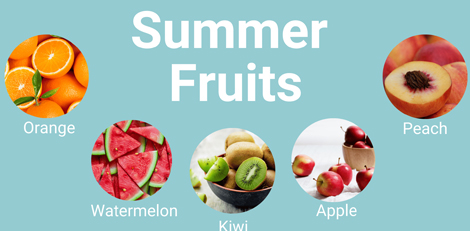
Eat Water-Rich Fruits

Fruits with high water content help prevent dehydration. Watermelon and muskmelon are excellent summer fruits that keep the body hydrated and protect the skin from heat damage.

Avoid Heat-Producing Foods

Certain foods can increase body heat and should be consumed in moderation during summer. Vegetables such as potatoes, cabbage and beetroot, along with items like garlic, ginger and mushrooms, may increase body heat if consumed excessively.

Protect Eyes and Skin

Washing the face frequently with water helps keep the skin fresh during hot weather. If the eyes feel irritated due to heat, placing a clean cloth soaked in cool water over the eyes can provide relief. Eating fruits like mango and papaya, and leafy greens such as moringa leaves and spinach, helps maintain good eye health.

Stay Hydrated

To reduce thirst and stay hydrated, hibiscus petals soaked in water can be consumed as a refreshing drink. Eating gooseberry (amla) and adding honey to food can also help maintain hydration and energy during summer.

Following these simple health practices can help you stay cool, hydrated and healthy throughout the summer season.

Gold Prices Drop at the Start of the Week – Current Rates in Chennai

Gold Prices Drop at the Start of the Week – Current Rates in Chennai

Chennai: After rising on the 10th and 11th of this month, gold prices have been declining over the past few days in Chennai. Two days ago, the price of ornamental gold fell by ₹1,120 per sovereign, bringing the rate down to ₹1,18,080 per sovereign, while the price per gram dropped by ₹140 to ₹14,760.

As yesterday was a holiday, there was no change in the gold price. However, the downward trend has continued today for the fourth consecutive day. The price of gold has decreased by ₹400 per sovereign and ₹50 per gram. Currently, ornamental gold in Chennai is being sold at ₹1,17,680 per sovereign and ₹14,710 per gram.

Silver Prices Also Decline

Silver prices have also dropped today. The price of silver has decreased by ₹4 per gram and ₹4,000 per kilogram. As a result, silver is now being sold at ₹276 per gram and ₹2,76,000 per kilogram.

Gold Price Trend – Last 5 Days (Per Sovereign)

16.03.2026 – ₹1,17,680
15.03.2026 – ₹1,18,080
14.03.2026 – ₹1,18,080
13.03.2026 – ₹1,19,200
12.03.2026 – ₹1,19,760

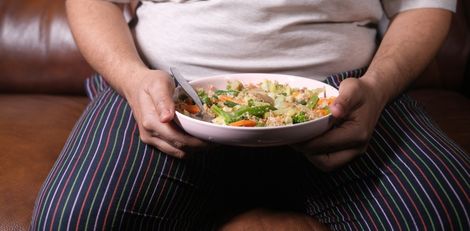
Healthy Eating Habits to Prevent and Manage Obesity

Healthy Eating Habits to Prevent and Manage Obesity

Understanding Obesity

Obesity is influenced by several factors including genetics, lifestyle, and environmental conditions. Apart from physical health risks, it can also affect mental well-being, contributing to stress, anxiety, and depression. Managing obesity requires a balanced approach that focuses on diet, physical activity, and overall lifestyle changes.

Role of a Healthy Diet

balanced diet plays an important role in controlling body weight. Eating whole, unprocessed foods such as fruits, vegetables, whole grains, and lean proteins helps provide essential nutrients while limiting excess calories. Reducing processed foods, sugary drinks, and unhealthy fats can also help prevent weight gain.

Portion Control

Portion control helps prevent overeating and supports weight management. Using smaller plates, measuring food portions, and paying attention to hunger signals can help maintain balanced eating habits. Eating slowly and avoiding distractions during meals also encourages better portion control.

Choose Nutrient-Dense Foods

Foods rich in nutrients but lower in calories are beneficial for maintaining a healthy weightFruits, vegetables, whole grains, nuts, and lean proteins provide vitamins, minerals, and fiber that support overall health and help keep you full for longer.

Meal Planning

Planning meals in advance helps individuals make healthier choices and avoid impulsive eating. Preparing balanced meals and keeping healthy food options available can support long-term weight management.

Stay Hydrated

Drinking enough water supports digestion and metabolism. Sometimes thirst can be mistaken for hunger, leading to unnecessary snacking. Limiting sugary drinks and choosing water or herbal beverages can help control calorie intake.

Physical Activity

Regular physical activity is essential for managing obesity. Activities such as walking, cycling, swimming, or exercise routines help burn calories, improve metabolism, and strengthen the body. Experts often recommend at least 150 minutes of moderate exercise per week.

Manage Stress

Stress can lead to emotional eating and unhealthy food choices. Practicing relaxation techniques like meditation, yoga, or deep breathing can help manage stress and support healthier habits.

Build a Supportive Environment

Support from friends, family, or health professionals can make it easier to maintain healthy habits. Guidance from a nutritionist or dietitian can also help individuals develop personalized diet plans.

Conclusion

Preventing and managing obesity requires consistent lifestyle changes. Eating nutritious foods, controlling portions, staying physically active, managing stress, and setting realistic goals can help individuals maintain a healthy weight and improve overall well-being.

Disclaimer: This article is for informational purposes only and should not replace professional medical advice. Consult a healthcare professional or nutritionist for personalized guidance.