Strong bone health is built on proper nutrition and consistent daily habits.
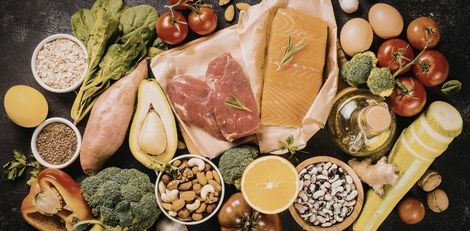
Ensure your diet includes calcium- and vitamin D-rich foods such as milk, fish, mutton liver, and green leafy vegetables. These nutrients play a vital role in maintaining bone strength and density.
Equally important is avoiding habits that weaken bones. Limit junk food intake, remain physically active, and refrain from smoking and alcohol consumption to support long-term skeletal health.
Positive lifestyle choices made today contribute to stronger, healthier bones in the future.
Dr. Arun Kumar, MS (Ortho) Specialist Contact: 8056738393 Consultation Hours: 5.00 PM – 9.00 PM
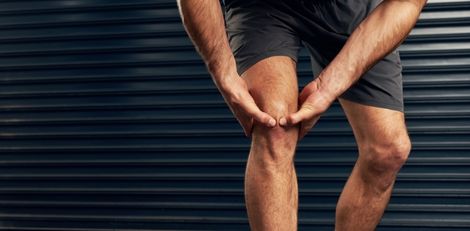
The ACL (anterior cruciate ligament) is one of the main ligaments stabilizing your knee. It connects the thigh bone to the shinbone and helps control movement. ACL injuries are common in sports involving sudden direction changes, such as soccer or basketball, or from direct impact to the knee.
Common Symptoms of an ACL Tear
– A popping sound at the moment of injury
– Severe knee pain, especially when standing
– Rapid swelling around the joint
– Instability or the knee giving way
– Difficulty walking or bearing weight
Pain is usually felt deep in the center of the knee.
Partial Tear Symptoms
A partial tear (Grade 2 injury) means the ligament is overstretched or partly torn. Symptoms may include:
– Pain and swelling
– Some knee instability
– Reduced movement or discomfort
ACL Strain Symptoms
A strain (Grade 1 injury) is the mildest form:
– Ligament stretched but not torn
– Mild pain
– Minimal swelling
– Knee usually remains stable
Diagnosis
Doctors may evaluate your knee using:
– Physical exams (Lachman or anterior drawer test)
– X-ray (to rule out fractures)
– MRI scan (to assess ligament damage)
– Arthroscopy in certain cases
When to Seek Medical Help
Consult a doctor immediately if you:
– Hear a pop in your knee
– Experience severe pain or swelling
– Cannot walk or bear weight
Early evaluation prevents worsening injury.
Treatment Options
– Mild injuries: Rest, ice, elevation, brace
– Moderate to severe tears: Surgery may be required
– Recovery: Physical therapy to restore strength and mobility
Summary
ACL injuries range from mild strains to complete tears. Watch for pain, swelling, and instability after a knee injury. Prompt medical assessment helps ensure proper recovery and prevents long-term damage.
Disclaimer
This content is for informational purposes only and is not a substitute for professional medical advice. Always consult a healthcare professional for diagnosis or treatment.
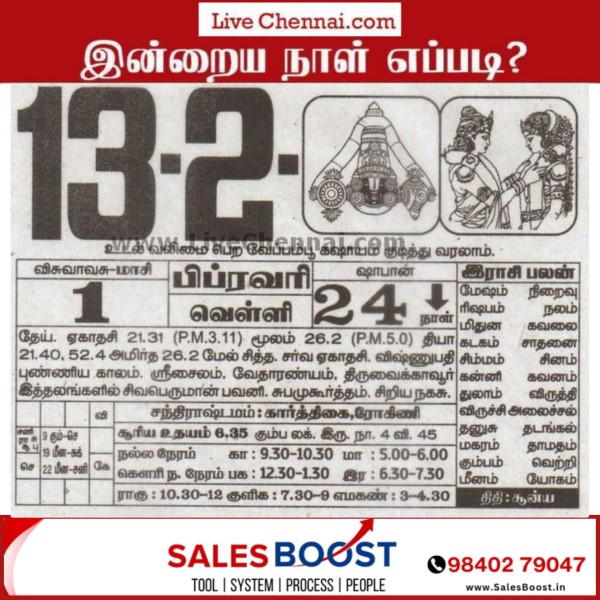
Gold prices in Chennai continue to witness strong fluctuations, with alternating rises and falls over the past few days. After a sharp decline yesterday, gold rates have dropped again today, offering temporary relief for buyers and investors.
Today’s Gold Rate in Chennai (22 Carat)
Per Sovereign (8 grams): Down by Rs.1,600 – Now at Rs.1,15,200
Per Gram: Down by Rs.200 – Now at Rs.14,400
Yesterday, gold was priced at Rs.1,16,800 per sovereign. The continued correction indicates ongoing volatility in the bullion market.
Silver Price in Chennai Today
Per Gram: Down by Rs.20 – Now at Rs.280
1 Kg Silver Bar: Rs.2,80,000
Silver prices have also declined, reflecting broader trends in precious metal markets.
Last 5 Days Gold Rate Trend (22 Carat – Per Sovereign)
They believe that finishing a one-hour job in the last 30 minutes is smartness.
They feel proud saying, “I work well under pressure.”
But let us reflect.
Is that genius?
Or is that simply postponement wearing the mask of intelligence?
Genius is not compressing one hour of work into the last 30 minutes.
Genius is finding 10 powerful minutes within those 60 minutes
– to refine,
– to rethink,
– to polish,
– to add devotion.
That extra 10 minutes is where excellence lives.
Anyone can complete a task.
But not everyone adds their signature to it.
When you rush at the last minute, you only aim to finish.
When you plan wisely, you aim to elevate.
There is a beautiful Tamil phrase I often say:
“சோம்பேறிகளின் சுறுசுறுப்பு – காலையில் சாலை பயணம்.”
The sudden hyperactivity of the lazy — like someone who wakes up late and then drives aggressively in the morning traffic.
What is happening there?
The rush is not productivity.
It is compensation.
The stress is not passion.
It is poor planning.
The speed is not discipline.
It is panic.
And panic never produces genius.
Look at nature.
The sun does not rush to rise.
It appears at the exact time.
A tree does not hurry to grow.
It grows steadily.
The river does not panic before reaching the ocean.
It flows.
True genius flows.
When we start early, we create space.
When we create space, we create clarity.
When we create clarity, we create quality.
That final 10 minutes before submission…
That final review before sending an email…
That final check before publishing…
That moment of silence before speaking…
Those are the moments where greatness is born.
Devotion needs time.
Care needs space.
Excellence needs breathing room.
Last-minute rush is a disease because it becomes a habit.
Once the mind gets addicted to adrenaline, it starts believing that pressure is necessary to perform. Slowly, calm preparation feels boring. Planning feels unnecessary. Discipline feels optional.
But long-term success is not built on adrenaline.
It is built on a awareness.
In business, in relationships, in parenting, in leadership – the same rule applies.
If you are always reacting, you are surviving.
If you are preparing, you are leading.
Genius is not noise.
It is depth.
Genius is not drama.
It is design.
Genius is not speed.
It is precision.
So next time you have one hour for a task, do not think:
“How late can I start?”
Instead think:
“How beautifully can I finish?”
Can you complete it in 45 minutes and gift yourself 15 minutes to refine?
Can you review once more?
Can you add one thoughtful line?
Can you remove one unnecessary mistake?
Can you add your devotion?
Because life also works the same way.
When you rush through life, you only aim to survive it.
When you slow down with awareness, you experience it.
Life is not asking you to finish fast.
Life is inviting you to live fully.
Find those 10 golden minutes in every hour.
Add your genius touch.
Add your sincerity.
Add your presence.
Last-minute rush is the disease.
Conscious refinement is the cure.
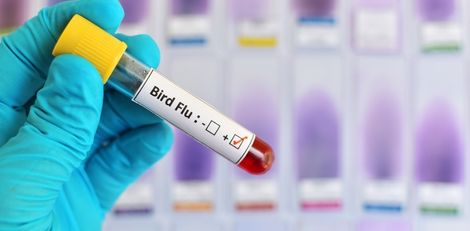
Bird flu (avian influenza) is a viral infection that mainly affects birds but can sometimes infect humans. The most concerning strain is H5N1, which can cause severe illness in rare human cases. Infection usually happens through close contact with infected birds or contaminated surfaces.
How Bird Flu Spreads
Humans may get infected by:
– Handling sick or dead birds
– Contact with bird droppings or contaminated equipment
– Working in poultry farms or live bird markets
– Eating undercooked poultry or eggs
Human-to-human transmission is extremely rare.
Symptoms in Humans
Early symptoms are similar to regular flu:
– High fever (above 38°C)
– Cough and sore throat
– Muscle aches
– Fatigue
Severe cases may lead to:
– Breathing difficulty
– Pneumonia
– Chest pain
– Diarrhoea or eye redness (in some cases)
Seek medical attention immediately if you develop flu-like symptoms after exposure to birds.
Diagnosis
Doctors confirm bird flu through:
– PCR testing
– Respiratory swabs
– Chest imaging if complications are suspected
Early testing improves outcomes.
Treatment
There is no specific cure, but antiviral medicines such as Oseltamivir (Tamiflu) can reduce severity if started early. Severe cases may require hospital care, oxygen support, and close monitoring.
Prevention Tips
– Avoid touching sick or dead birds
– Wash hands thoroughly after handling poultry
– Cook poultry at 75°C or higher
– Follow government health advisories during outbreaks
Conclusion
Although human cases are rare, bird flu can become serious if untreated. Awareness, hygiene, and early medical care are key to preventing complications.
Disclaimer
This content is for general information only and does not replace professional medical advice. Always consult a qualified healthcare provider if you suspect bird flu or experience concerning symptoms.