by Interns_team | Dec 5, 2025 | Health, News
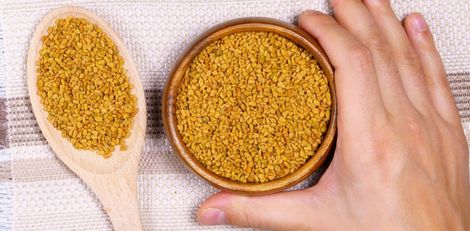
Fenugreek is more than just a cooking ingredient-it is a natural food with multiple health-supporting properties. Known for its cooling effect on the body, fenugreek is often used to improve digestion, regulate hormones, and support weight goals. Many people wonder whether it should be soaked, sprouted, or taken raw, and whether it affects the liver or digestion. Here’s a clear breakdown of its key benefits.
Testosterone and Hormonal Balance
Fenugreek may help naturally support testosterone levels in men. Certain compounds in the seeds are believed to aid hormonal regulation and energy levels, offering gradual but noticeable benefits over time.
For women, fenugreek can also be helpful:
– It may improve insulin sensitivity, which supports better hormonal balance. – It may assist in managing PCOS symptoms. – It may help ease menopause symptoms, such as mood fluctuations. – Fenugreek is traditionally used to support breast milk production in new mothers.
Blood Sugar Regulation
Fenugreek can support healthy blood sugar levels. Studies suggest it may:
– Help lower HbA1C levels – Improve insulin response
– Increase GLP-1, a gut hormone involved in blood sugar regulation
For many individuals, soaking fenugreek seeds overnight and consuming them the next morning is considered especially beneficial.
Weight Loss and Appetite Control
Fenugreek seeds are rich in soluble fiber, which forms a gel-like substance in the stomach. This helps:
– Slow digestion
– Create a long-lasting feeling of fullness
– Naturally reduce calorie intake
Because of this, fenugreek can support weight-loss efforts when paired with balanced eating and an active lifestyle. It does not provide instant results, but it can be a useful long-term aid.
Is Fenugreek Harmful to the Liver?
Fenugreek is generally considered safe for the liver and does not cause liver damage when consumed in normal dietary amounts.
Disclaimer
This content is for educational purposes only and should not be taken as medical advice. Individuals with medical conditions such as diabetes, hormonal disorders, or digestive issues should consult a healthcare professional before adding fenugreek or any new supplement to their routine.

by Interns_team | Dec 5, 2025 | gold, Gold News
Gold prices, which shocked buyers by reaching a historic high of ₹97,600 per sovereign on October 17, have been fluctuating ever since. After a brief decline, prices began moving upward again over the past few days.
As of the day before yesterday, gold increased by ₹20 per gram and ₹160 per sovereign, selling at ₹12,060 per gram and ₹96,480 per sovereign. However, yesterday the price dropped slightly ₹40 per gram and ₹320 per sovereign bringing the rate to ₹12,020 per gram and ₹96,160 per sovereign.
Silver also witnessed a mild dip yesterday, decreasing by ₹1 per gram and ₹1,000 per kilogram, and was sold at ₹200 per gram and ₹2,00,000 per kilogram.
Today ( Dec 5) , gold prices have declined further. Gold has decreased by ₹20 per gram and ₹160 per sovereign, now selling at ₹12,000 per gram and ₹96,000 per sovereign.
Silver prices have also dropped again today. Silver has fallen by ₹4 per gram and ₹4,000 per kilogram, and is now priced at ₹196 per gram and ₹1,96,000 per kilogram.
Gold Price Trend Over the Last 5 Days
05.12.2025 – ₹96,000 per sovereign (Today)
04.12.2025 – ₹96,160 per sovereign
03.12.2025 – ₹96,480 per sovereign
02.12.2025 – ₹96,320 per sovereign
01.12.2025 – ₹96,560 per sovereign
30.11.2025 – ₹95,840 per sovereign
by Interns_team | Dec 4, 2025 | Health, News
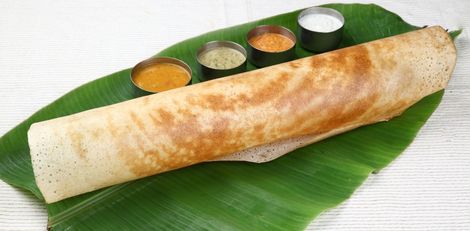
Dosa is more than just a breakfast staple – it’s comfort food enjoyed across India in countless varieties. From moong dal dosa to ragi, oats, jowar, and the classic fermented rice version, its versatility makes it a favourite. But many people trying to lose weight often wonder: Does dosa fit into a weight-loss plan?
To understand this, let’s look briefly at the nutrition of a plain dosa.
Nutritional Value of Plain Dosa (per 100g)
– A medium plain dosa gives around 209 calories, 37 g of carbohydrates, 5.7 g protein, and 3.9 g fat. – These values change based on portion size and the amount of oil or ghee used.
Is Dosa Good for Weight Loss?
Traditional dosa is carb-heavy, and when paired with potato masala or cooked with too much oil, it can quickly become high in calories. However, with a few smart changes, dosa can definitely fit into a weight-loss routine. The key is controlling portions, choosing healthier variations, and pairing it with lighter sides.
How to Make Dosa Weight-Loss Friendly
1. Reduce Portion Size
Make smaller dosas by using less batter. This naturally lowers calories without affecting taste.
2. Try High-Protein Batter Options
Lentil-based dosas like pesarattu and adai are richer in protein and fiber, which help you stay full longer.
3. Use Minimal Oil
Avoid excess oil or ghee. A light brush of oil is enough to achieve crispness.
4. Pair It Smarter
Choose lighter accompaniments like tomato chutney, mint-coriander chutney, or vegetable-rich sambar. Avoid heavier sides like coconut chutney or potato curry when trying to lose weight.
High-Protein Dosa Variants
Pesarattu
Made from moong dal, high in protein and fiber, and doesn’t need fermentation.
Adai
Made from mixed lentils, more filling than regular dosa, and helps control hunger.
Alternative-Grain Dosas for Weight Management
Ragi Dosa
High in fiber and low glycemic index, helping you stay full longer.
Oats Dosa
Rich in soluble fiber and supports better appetite control.
Jowar Dosa
Low in calories and packed with fiber, making it light and weight-loss friendly.
Besan Chilla
Not a traditional dosa, but high in protein and lower in carbs, making it a smart alternativive.
Colourful Vegetable Dosas
Vegetable-added dosas increase nutrients without many calories:
– Spinach dosa – Beetroot dosa – Carrot dosa – Tomato dosa – Pumpkin dosa – Mixed vegetable dosa (uttapam style)
These are tasty, colourful, and great for kids too.
What About Traditional Dosas?
Traditional varieties like masala dosa, benne dosa, rava dosa, and onion dosa are delicious but not the best for weight loss because they:
– Use more oil – Contain more rice – Often include heavy fillings
You can enjoy them occasionally, but choose healthier options for regular meals.
Light Side Options to Pair With Dosa
Instead of a table, here’s a simple guide:
– Sambar is excellent because it’s rich in protein and fiber. – Mint-coriander chutney is low in calories. – Tomato chutney (no oil) adds tanginess with fewer calories. – Podi mixed with curd gives flavour and protein without excess fat. – Plain curd helps keep the meal light and satisfying.
Final Takeaway
Dosa can absolutely be part of a weight-loss diet when:
– Portions are smaller – Oil is minimal – Batter choices are smart – Accompaniments are light
With the right tweaks, dosa becomes a nutritious, filling, and weight-loss-friendly meal option.
Disclaimer
This article is for informational purposes only and should not replace professional medical or dietary advice. Individual nutritional needs vary. Please consult a qualified healthcare or nutrition professional before making changes to your diet.

by Interns_team | Dec 4, 2025 | gold, Gold News, News
The cost of gold has decreased by Rs. 40 per gram on Wednesday Morning (04.12.2025). The cost of the gold rate has decreased by Rs. 320 per sovereign.
The gold rate has decreased and one sovereign is worth Rs. 96160.00 and a gram is Rs. 12020.00.
The cost of 1 gram of pure gold (24 K) is now Rs. 13113.00.
A kilo of silver is priced at Rs. 200,000.00 and a gram is worth Rs. 200.00.
by Interns_team | Dec 2, 2025 | Health, News
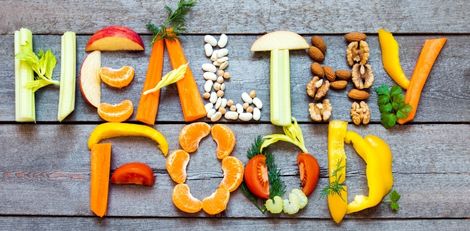
Maintaining a healthy diet sounds simple, yet many people struggle with it daily. In a culture where food is deeply tied to celebration, comfort, and routine, choosing healthier options is not always easy. Understanding why this happens can help you build habits that truly last.
Below are the social and psychological factors that influence what we eat – and simple steps to make healthy eating part of everyday life.
Why Healthy Eating Feels So Challenging
Social Factors That Affect Our Food Choices
1. Busy Schedules
Fast-paced lifestyles often push people toward quick takeout or packaged foods. These options may save time but are usually high in calories and low in nutrition.
2. Lack of Routine
Irregular eating patterns cause impulsive snacking – especially fried, sweet, or processed foods often enjoyed with tea or during breaks.
3. Social Pressure
In many households, refusing rich festive foods can feel rude. Cultural expectations often make it difficult to choose a healthier option without feeling left out.
4. Fad Diets
Trendy diets promise fast results but rarely sustain long-term health. They may lead to nutrient imbalance and repeated weight fluctuations.
Psychological Factors That Shape Eating Behaviour
1. Emotional or Stress Eating
Food becomes a reward or comfort during stress, loneliness, or celebration. This often leads to overeating without hunger.
2. Depression or Low Mood
Emotional health influences appetite. Some people eat excessively, while others skip meals – both affecting overall nutrition.
3. Childhood Conditioning
Many grow up believing love is shown through rich, heavy meals. This makes healthier options like salads or steamed foods feel “less satisfying.”
4. Undervaluing Healthy Foods
In traditional meals, raw vegetables or salads are often seen as side items, not essential components of nutrition.
5. Eating Disorders
Extreme dieting, obsession with food, or unusual eating behaviour may indicate deeper mental health concerns that require professional support.
Practical Ways to Make Healthy Eating a Habit
1. Relearn Food Patterns
Try offering fresh fruits, roasted snacks, or vegetable-based starters instead of deep-fried items during gatherings or celebrations.
2. Start Early With Children
Avoid rewarding kids with sweets or junk food. Use appreciation, activities, or small privileges as encouragement instead.
3. Create a Routine
Plan meals in advance. Simple weekly meal prep prevevents last-minute unhealthy choices.
4. Get Support From Family & Friends
Sharing your goals helps you stay accountable and may encourage others to join the journey with you.
5. Practice Mindful Eating
Eat without distractions. Pay attention to texture, flavour, and fullness, which naturally reduces overeating.
Building a Sustainable Healthy Lifestyle
Healthy eating becomes easier when it fits your lifestyle and cultural habits rather than fighting against them. By reshaping your mindset, planning ahead, and seeking support, you can build habits that benefit your long-term health – without giving up the foods you love completely.
Disclaimer:
This article is intended for general awareness and lifestyle guidance only. It is not a substitute for personalized medical advice, diagnosis, or treatment. Dietary needs vary for each individual, especially for those with existing health conditions. Always consult a qualified healthcare professional before making significant changes to your eating habits or nutrition plan.