by Interns_team | Jan 28, 2026 | Health, News
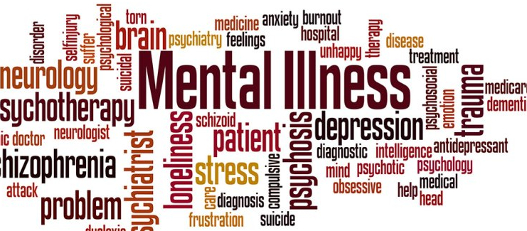
Mental health problems can affect anyone at any time, regardless of age. Identifying the early warning signs and addressing them at the initial stage can help protect mental well-being. Ignoring these symptoms may lead to serious mental illness, which can also impact physical health.
One of the common early signs is difficulty concentrating. Individuals may struggle to focus, show poor performance, lose interest in assigned tasks, or remain constantly distracted. Physical changes such as loss of appetite, overeating, nausea, or frequent vomiting may also indicate declining mental health.
Mood swings are another major symptom. People may become easily irritated, angry over minor issues, withdraw socially, prefer isolation, and lose interest in activities they once enjoyed. Substance abuse, including alcohol or drugs, is often used as a coping mechanism, which can gradually lead to addiction.
People experiencing mental health issues may display heightened emotional responses, excessive fear, anxiety, confusion, panic, and lack of mental clarity. In some cases, physical pain such as chronic headaches, stomach problems, muscle pain, or limb pain may occur without a clear medical cause.
Serious warning signs include self-harming behavior, thoughts of suicide, drastic changes in daily routines, frequent arguments, aggressive behavior, and causing harm to oneself or others.
How You Can Help
If a loved one shows these symptoms, handle them with patience, care, and empathy. Communicate calmly, offer emotional support, and avoid judgment. Encourage open discussions with family members, friends, or colleagues, and work together to reduce emotional stress.
Prevention and Care
Avoid negative thoughts, share concerns with trusted people, and do not hesitate to seek professional counseling if stress or emotional distress persists. Pay attention to advice from well-wishers and stay open to conversations about mental well-being.
Early awareness and timely action are key to maintaining good mental health

by Interns_team | Jan 28, 2026 | Gold News, News
Gold prices have been witnessing sharp fluctuations over the past few days, rising rapidly and correcting slightly before climbing again. After touching a record high of ₹15,025 per gram and ₹1,20,200 per sovereign earlier, prices dipped marginally yesterday.
On January 28, 2026, gold prices surged sharply to a new all-time high. The price of gold increased by ₹370 per gram, reaching ₹15,330 per gram, while the price of one sovereign (22 carat) rose by ₹2,960 to ₹1,22,640. With this jump, gold is now trading at its highest-ever level.
Silver prices also moved upward in line with gold. Silver rose by ₹13 per gram, taking the price to ₹400 per gram, while silver bar prices touched ₹4 lakh in the bullion market.
Gold Price – Last 5 Days (22 Carat, Per Sovereign)
27-01-2026: ₹1,19,680
26-01-2026: ₹1,20,200
25-01-2026: ₹1,18,000
24-01-2026: ₹1,18,000
23-01-2026: ₹1,16,400
Silver Price – Last 5 Days (Per Gram)
27-01-2026: ₹387
26-01-2026: ₹375
25-01-2026: ₹365
24-01-2026: ₹365
23-01-2026: ₹345

by Interns_team | Jan 27, 2026 | Gold News, News
Gold prices in Chennai, which have been fluctuating in line with global market trends, witnessed a slight decline today after touching a record high earlier this week.
On January 26, gold prices crossed ₹15,000 per gram for the first time, with 22-carat gold selling at ₹1,20,200 per sovereign. However, prices eased today, with 22-carat gold falling by ₹520 per sovereign to ₹1,19,680. The price per gram dropped by ₹65, settling at ₹14,960.
Despite the minor dip, gold prices have remained on a strong upward trend since the beginning of the year, driven by continued investment interest.
Silver Price Update
Silver prices rose today, with silver increasing by ₹12 per gram to trade at ₹387 per gram. Bar silver is priced at ₹3.87 lakh per kg.

by Interns_team | Jan 27, 2026 | Health, News
Green tea is widely known for its antioxidants and plant compounds that may support overall health. Many people also associate it with fat burning and weight management. While green tea alone will not cause weight loss, it may offer small supportive benefits when combined with healthy habits.
How Green Tea May Support Fat Loss
Boosts metabolism
Green tea contains catechins and caffeine, which may slightly increase calorie burning and energy expenditure.
Supports fat breakdown
Compounds like EGCG (epigallocatechin gallate) may help stimulate fat oxidation, allowing stored fat to be used as energy.
May improve exercise fat burning
Some studies suggest green tea can enhance fat oxidation during workouts, though results vary and more research is needed.
Helps reduce visceral fat
Research shows green tea extracts may contribute to lowering harmful belly fat linked to heart disease and diabetes.
Does Green Tea Reduce Appetite?
Evidence is mixed. Some studies show no major effect on hunger hormones, while others suggest minor increases in energy use without appetite control. This means green tea works best as a supportive supplement to a balanced diet – not a replacement for proper meals.
Important Reality Check
Green tea will not cause weight loss by itself. Creating a calorie deficit through balanced nutrition, regular exercise, good sleep, and proper hydration remains the most important factor for sustainable fat loss.
How Much Green Tea Is Effective?
Studies suggest that around 500 mg of green tea extract daily for several weeks may produce small weight-related benefits. Drinking regular green tea can still support general wellness, though results may be modest.
Final Takeaway
Green tea may offer minor metabolic and fat-burning support, but real results come from consistent lifestyle changes. Think of green tea as a helpful addition — not a magic solution.
Disclaimer:
This content is for informational purposes only and does not replace medical advice. People with heart conditions, caffeine sensitivity, digestive issues, or those taking medication should consult a healthcare professional before increasing green tea or supplement intake.

by Interns_team | Jan 24, 2026 | Health, News
Breakfast is often called the most important meal of the day – and for good reason. After long overnight fasting, your body needs fuel to restore energy, stabilize blood sugar, and support physical and mental performance. Skipping breakfast may seem like a way to cut calories, but in reality, it can lead to multiple health problems.
Common Health Effects of Skipping Breakfast
Low energy and fatigue
Without morning fuel, your body struggles to function efficiently, leading to tiredness and reduced focus throughout the day.
Blood sugar imbalance
Missing breakfast can disrupt insulin levels and cause sugar fluctuations, increasing health risks, especially for people with diabetes.
Increased food cravings and weight gain
Skipping meals often leads to overeating later in the day, promoting unhealthy snacking and gradual weight gain.
Mood changes and irritability
Lack of essential nutrients can affect brain chemicals linked to mood, leading to stress, low motivation, and emotional instability.
Weakened immunity
Regular breakfast intake supports immune function. Skipping it may reduce your body’s ability to fight infections.
Digestive discomfort
Irregular eating patterns can slow digestion and contribute to constipation, acidity, and stomach discomfort.
Higher risk of heart problems
Studies suggest that people who regularly skip breakfast may face a greater risk of heart disease and metabolic disorders.
What Research Shows
Scientific studies indicate that skipping breakfast may increase inflammation and insulin resistance – both linked to obesity and type 2 diabetes. Even when calorie intake is similar, eating breakfast helps maintain healthier metabolic balance.
Final Takeaway
A balanced breakfast should ideally provide around 25% of your daily nutritional needs. Including fiber, protein, healthy fats, and fruits can improve energy levels, concentration, and long-term health.
Disclaimer:
This content is for educational purposes only and is not a substitute for professional medical advice. Individuals with diabetes, heart conditions, digestive disorders, or special dietary needs should consult a qualified healthcare professional before making dietary changes.