These exercises can help relieve discomfort and improve flexibility if you experience neck pain or stiffness. Make sure you have enough space around you to move safely, and stay hydrated while exercising.
If you are new to exercise, start slowly and increase intensity gradually. If you have concerns or existing health conditions, consider speaking with a qualified healthcare or fitness professional before beginning.
Neck Exercises
Neck Tilt Stretch (Side to Side)
Sit comfortably to maintain balance. Tilt your head toward one shoulder, leading with your ear. Gently engage your neck muscles and hold for 5 seconds, then return to the center. Repeat on the opposite side. Perform 5 repetitions per side.
Head Turn
Sit upright with your chin level. Turn your head slowly to one side. Hold for 5 seconds, then return to the center and repeat on the other side. Perform 5 repetitions per side. If sitting or standing feels uncomfortable, try this exercise while lying down with head support.
Chin-to-Chest Stretch
Sit or stand with proper posture. Slowly lower your head so your chin moves toward your chest. Hold for 5 seconds, then return to the starting position. Repeat 5 times.
Additional Considerations
Neck pain often results from maintaining the same posture for extended periods. Regular movement and strengthening exercises may help reduce stiffness. Persistent or severe pain could indicate an underlying issue and should be evaluated by a professional.
Disclaimer
This information is provided for general educational purposes only and is not a substitute for professional medical advice, diagnosis, or treatment. Stop exercising if you feel pain or dizziness and consult a qualified healthcare professional when needed.
Strong bone health is built on proper nutrition and consistent daily habits.
Ensure your diet includes calcium- and vitamin D-rich foods such as milk, fish, mutton liver, and green leafy vegetables. These nutrients play a vital role in maintaining bone strength and density.
Equally important is avoiding habits that weaken bones. Limit junk food intake, remain physically active, and refrain from smoking and alcohol consumption to support long-term skeletal health.
Positive lifestyle choices made today contribute to stronger, healthier bones in the future.
Dr. Arun Kumar, MS (Ortho) Specialist Contact: 8056738393 Consultation Hours: 5.00 PM – 9.00 PM
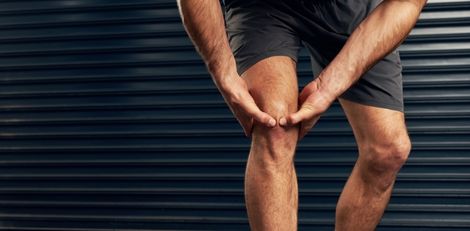
The ACL (anterior cruciate ligament) is one of the main ligaments stabilizing your knee. It connects the thigh bone to the shinbone and helps control movement. ACL injuries are common in sports involving sudden direction changes, such as soccer or basketball, or from direct impact to the knee.
Common Symptoms of an ACL Tear
– A popping sound at the moment of injury
– Severe knee pain, especially when standing
– Rapid swelling around the joint
– Instability or the knee giving way
– Difficulty walking or bearing weight
Pain is usually felt deep in the center of the knee.
Partial Tear Symptoms
A partial tear (Grade 2 injury) means the ligament is overstretched or partly torn. Symptoms may include:
– Pain and swelling
– Some knee instability
– Reduced movement or discomfort
ACL Strain Symptoms
A strain (Grade 1 injury) is the mildest form:
– Ligament stretched but not torn
– Mild pain
– Minimal swelling
– Knee usually remains stable
Diagnosis
Doctors may evaluate your knee using:
– Physical exams (Lachman or anterior drawer test)
– X-ray (to rule out fractures)
– MRI scan (to assess ligament damage)
– Arthroscopy in certain cases
When to Seek Medical Help
Consult a doctor immediately if you:
– Hear a pop in your knee
– Experience severe pain or swelling
– Cannot walk or bear weight
Early evaluation prevents worsening injury.
Treatment Options
– Mild injuries: Rest, ice, elevation, brace
– Moderate to severe tears: Surgery may be required
– Recovery: Physical therapy to restore strength and mobility
Summary
ACL injuries range from mild strains to complete tears. Watch for pain, swelling, and instability after a knee injury. Prompt medical assessment helps ensure proper recovery and prevents long-term damage.
Disclaimer
This content is for informational purposes only and is not a substitute for professional medical advice. Always consult a healthcare professional for diagnosis or treatment.
Gold prices in Chennai continue to witness strong fluctuations, with alternating rises and falls over the past few days. After a sharp decline yesterday, gold rates have dropped again today, offering temporary relief for buyers and investors.
Today’s Gold Rate in Chennai (22 Carat)
Per Sovereign (8 grams): Down by Rs.1,600 – Now at Rs.1,15,200
Per Gram: Down by Rs.200 – Now at Rs.14,400
Yesterday, gold was priced at Rs.1,16,800 per sovereign. The continued correction indicates ongoing volatility in the bullion market.
Silver Price in Chennai Today
Per Gram: Down by Rs.20 – Now at Rs.280
1 Kg Silver Bar: Rs.2,80,000
Silver prices have also declined, reflecting broader trends in precious metal markets.
Last 5 Days Gold Rate Trend (22 Carat – Per Sovereign)