

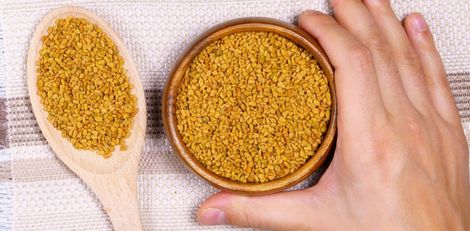
Fenugreek is more than just a cooking ingredient-it is a natural food with multiple health-supporting properties. Known for its cooling effect on the body, fenugreek is often used to improve digestion, regulate hormones, and support weight goals. Many people wonder whether it should be soaked, sprouted, or taken raw, and whether it affects the liver or digestion. Here’s a clear breakdown of its key benefits.
Testosterone and Hormonal Balance
Fenugreek may help naturally support testosterone levels in men. Certain compounds in the seeds are believed to aid hormonal regulation and energy levels, offering gradual but noticeable benefits over time.
For women, fenugreek can also be helpful:
– It may improve insulin sensitivity, which supports better hormonal balance. – It may assist in managing PCOS symptoms. – It may help ease menopause symptoms, such as mood fluctuations. – Fenugreek is traditionally used to support breast milk production in new mothers.
Blood Sugar Regulation
Fenugreek can support healthy blood sugar levels. Studies suggest it may:
– Help lower HbA1C levels – Improve insulin response
– Increase GLP-1, a gut hormone involved in blood sugar regulation
For many individuals, soaking fenugreek seeds overnight and consuming them the next morning is considered especially beneficial.
Weight Loss and Appetite Control
Fenugreek seeds are rich in soluble fiber, which forms a gel-like substance in the stomach. This helps:
– Slow digestion
– Create a long-lasting feeling of fullness
– Naturally reduce calorie intake
Because of this, fenugreek can support weight-loss efforts when paired with balanced eating and an active lifestyle. It does not provide instant results, but it can be a useful long-term aid.
Is Fenugreek Harmful to the Liver?
Fenugreek is generally considered safe for the liver and does not cause liver damage when consumed in normal dietary amounts.
Disclaimer
This content is for educational purposes only and should not be taken as medical advice. Individuals with medical conditions such as diabetes, hormonal disorders, or digestive issues should consult a healthcare professional before adding fenugreek or any new supplement to their routine.