Strengthen Your Bones Early with Expert Advice from Dr. Arun!
Meet Dr. Arun Kumar, an expert in bone fractures and joint replacement surgeries, sharing daily orthopaedic tips, real patient cases, and surgical insights to help you stay pain-free and active.
Coffee and tea are among the most commonly consumed caffeinated beverages. While both provide an energy boost, their effects on the body differ significantly, especially when consumed in higher amounts every day.
Coffee vs Tea: How the Body Responds
Coffee contains higher caffeine levels, which can deliver a quicker surge of alertness. However, drinking five cups daily may lead to caffeine tolerance, meaning you need more to feel the same effect. Over time, excessive coffee intake can increase stress hormones, cause restlessness, and disrupt sleep quality, leaving some people feeling tired despite adequate rest.
Tea, on the other hand, contains less caffeine and also provides L-theanine, an amino acid known to promote calmness and focus. Because of this combination, multiple cups of tea often result in steadier energy levels with a lower risk of anxiety, palpitations, or sleep disturbances.
Effects on Nutrient Absorption and Hydration
High intake of both beverages can interfere with nutrient absorption. Coffee may reduce the absorption of calcium and iron, particularly when consumed close to meals. Tea, especially black tea, contains tannins that can bind to iron from plant-based foods, making it harder for the body to absorb.
Both coffee and tea have mild diuretic effects, but they do not cause dehydration if overall fluid intake is adequate.
How Much Caffeine Is Safe?
Most healthy adults can safely consume 300-400 mg of caffeine per day. This is roughly equal to 3-4 cups of coffee or 6-8 cups of tea. Regularly exceeding this limit may lead to raised blood pressure, faster heart rate, jitteriness, anxiety, and digestive discomfort.
Key Takeaway
Moderation is essential. Spacing caffeinated drinks throughout the day, avoiding caffeine late in the evening, and paying attention to how your body reacts can help maintain balanced energy levels. If you notice sleep issues, racing thoughts, or stomach problems, it may be time to cut back or choose decaffeinated or herbal options.
Disclaimer
This content is intended for general informational purposes only and does not replace professional medical advice. Individual tolerance to caffeine varies. Always consult a qualified healthcare professional if you have underlying health conditions or concerns related to caffeine consumption.
The cost of gold has increased to Rs. 240 per sovereign on TodayMorning (December 10, 2025). The cost of the gold rate has increased to Rs. 30 per gram.
The gold rate has increased and one sovereign was worth Rs. 96,240.00 and a gram was Rs. 12,030.00.
The cost of 1 gram of pure gold (24 K) is now Rs. 13,123.00.
A kilo of silver is priced at Rs. 207,000.00 and a gram is worth Rs. 207.00.
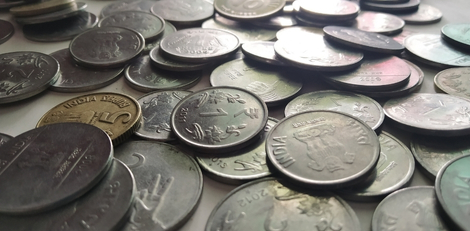
The Reserve Bank of India (RBI) has released an important awareness update stating that all currently circulating Indian coins, regardless of their year, size, metal, or design, are legally valid and must not be rejected.
Coins of 50 paise, ₹1, ₹2, ₹5, ₹10, and ₹20 exist in multiple designs and shapes because they were minted in different years. RBI confirmed that every one of these versions is officially legal tender and continues to remain in circulation.
The RBI has urged the public not to believe or spread false rumours regarding the validity of coins and to accept them without hesitation.
RBI Reminder:
Stay informed. Stay alert. Do not fall for misinformation about Indian currency.