Gold prices continued their upward trend in Chennai today, touching a fresh high and moving closer to the ₹1 lakh mark per sovereign.
The price of 22-carat gold jewellery increased by ₹720 per sovereign, taking the rate to ₹99,680 per sovereign. On a per-gram basis, gold rose by ₹90, and is now being sold at ₹12,460 per gram.
The surge is attributed to heavy investments by international investors in gold. Due to the continuous rise in global gold prices, domestic prices have also been hitting new highs. In Tamil Nadu, the price of 22-carat gold had already crossed ₹95,000 per sovereign in October.
On October 21, gold touched a then record high of ₹97,600 per sovereign. Although prices fluctuated thereafter, they did not surpass that level until recently. Over the past few days, gold prices have been steadily increasing.
Last Friday (December 12), gold prices rose sharply. In the morning, the price increased by ₹200 per gram, reaching ₹12,250, while the price per sovereign jumped by ₹1,600 to ₹98,000. Silver also rose by ₹6 per gram, selling at ₹215.
Later that evening, gold prices climbed again by ₹120 per gram, reaching ₹12,370, while the price per sovereign rose by ₹960 to ₹98,960.
There was no change in gold prices on Saturday (December 13) and Sunday (December 14) due to the weekend.
Today (December 15), gold resumed its upward movement, reaching an all-time high of ₹99,680 per sovereign. The rapid rise, with prices nearing ₹1 lakh per sovereign, has come as a shock to jewellery buyers.
Meanwhile, silver prices increased by ₹3 per gram today and are being sold at ₹213 per gram.
Waking up tired despite enough sleep, frequent night awakenings, sweating, or feeling “wired but exhausted” are not always caused by stress alone. Experts explain that these signs often point to a dysregulated nervous system, where cortisol levels and circadian rhythm are out of balance.
When the body remains stuck in fight-or-flight mode even during sleep, true rest and recovery do not occur.
8 Sleep Behaviours You Should Not Ignore
– Waking up sweaty: Indicates elevated cortisol and adrenaline levels during the night.
– Teeth grinding or jaw clenching: A physical release of tension linked to anxiety, gut stress, and poor recovery.
– Frequent nightmares: Suggests brain overstimulation disrupting REM sleep.
– Sleeping with curled or “T-rex” arms: Shows the nervous system is still holding stress while resting.
– Talking in sleep: The mind continues emotional processing instead of entering deep sleep.
– Sleepwalking: A heightened stress response keeps the body active when it should be resting.
– Multiple night awakenings: Often related to cortisol spikes or digestive imbalances.
– Difficulty falling asleep: A sign that the cortisol rhythm may be reversed.
Psychiatrists explain that restless or fragmented sleep reflects an overactive sympathetic nervous system, while deep, uninterrupted sleep signals healthy parasympathetic (rest-and-digest) activation.
How to Regulate Your Nervous System for Better Sleep
Experts recommend simple, consistent practices to calm the nervous system:
– Slow diaphragmatic breathing to activate the vagus nerve
– Reduced screen exposure before bedtime
– Consistent sleep and wake timings
– Cold exposure, such as splashing cold water on the face
– Grounding techniques, including barefoot walking or sensory awareness
– Vagal nerve stimulation through humming, singing, or gargling
A well-regulated nervous system relies heavily on stable sleep cycles, balanced blood sugar, regular meals, physical activity, and 7-9 hours of quality sleep.
DISCLAIMER: This content is for educational purposes only and is not a substitute for medical advice. Always consult a qualified healthcare professional before starting any new health routine.
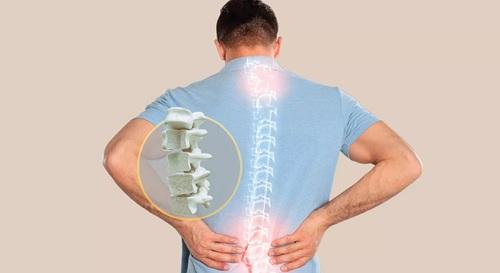
According to Dr. Arun Kumar, there is no fixed age like 30 where bones suddenly weaken, but the risk of bone loss increases gradually with age, especially due to osteoporosis (bone porosity).
Elderly adults and post-menopausal women must prioritize:
– Calcium-rich diet
– Vitamin D for better absorption
– Regular exercise & bone health checkups
Strong bones require lifelong care – start early and stay consistent to prevent fractures and joint problems.