by vellorecity | Nov 4, 2025 | News
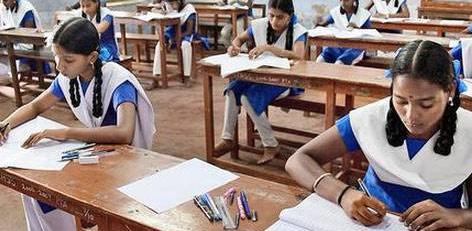
The Directorate of Government Examinations, Chennai, has officially released the Higher Secondary Second Year (+2) Public Examination Timetable for March 2026. According to the schedule, the exams will be held from March 2 to March 26, 2026, between 10:00 a.m. and 1:15 p.m.
| Date |
Day |
Subject |
| March 2, 2026 |
Monday |
Part I – Tamil and Other Language Papers |
| March 5, 2026 |
Thursday |
Part II – English |
| March 9, 2026 |
Monday |
Part III – Chemistry, Accountancy, Geography |
| March 13, 2026 |
Friday |
Part III – Physics, Economics, Employability Skills |
| March 17, 2026 |
Tuesday |
Part III – Mathematics, Zoology, Commerce, Micro Biology, Nutrition and Dietetics, Textile & Dress Designing, Food Service Management, Agricultural Science, Nursing (General) |
| March 23, 2026 |
Monday |
Part III – Biology, Botany, History, Business Mathematics and Statistics, Basic Electronics Engineering, Basic Civil Engineering, Basic Automobile Engineering, Basic Mechanical Engineering, Textile Technology, Office Management and Secretaryship |
| March 26, 2026 |
Thursday |
Part III – Communicative English, Ethics and Indian Culture, Computer Science, Computer Applications, Bio-Chemistry, Advanced Language (Tamil), Home Science, Political Science, Statistics, Nursing (Vocational), Basic Electrical Engineering |
by vellorecity | Nov 4, 2025 | News
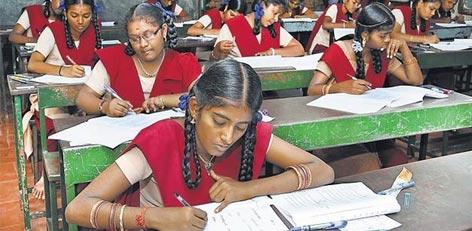
The Directorate of Government Examinations has officially released the SSLC Public Examination Timetable for March – April 2026. According to the schedule, the exams will be held from March 11 to April 6, 2026, between 10:00 a.m. and 1:15 p.m.
| Date |
Day |
Subject |
| March 11, 2026 |
Wednesday |
Part I – Tamil and Other Language Papers |
| March 16, 2026 |
Monday |
Part II – English |
| March 25, 2026 |
Wednesday |
Part III – Mathematics |
| March 30, 2026 |
Monday |
Part III – Science |
| April 2, 2026 |
Thursday |
Part III – Social Science |
| April 6, 2026 |
Monday |
Part IV – Optional Language |
by vellorecity | Nov 4, 2025 | News
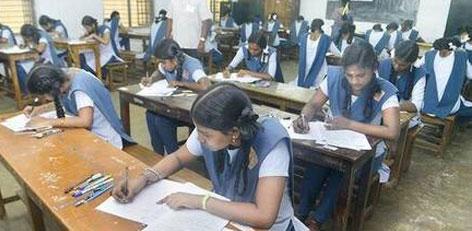
The Directorate of Government Examinations, Chennai – 600006, has officially released the Higher Secondary First Year (+1) Public Examination Timetable for March 2026 (for 2018 to 2025 arrear candidates only). The exams will be held from March 3 to March 27, 2026, between 10:00 a.m. and 1:15 p.m.
| Date |
Day |
Subject |
| March 3, 2026 |
Tuesday |
Part I – Tamil and Other Language Papers |
| March 6, 2026 |
Friday |
Part II – English |
| March 10, 2026 |
Tuesday |
Part III – Chemistry, Accountancy, Geography |
| March 12, 2026 |
Thursday |
Part III – Communicative English, Ethics & Indian Culture, Computer Science, Computer Applications, Bio-Chemistry, Advanced Language (Tamil), Home Science, Political Science, Statistics, Nursing (Vocational), Basic Electrical Engineering |
| March 18, 2026 |
Wednesday |
Part III – Physics, Economics, Employability Skills |
| March 24, 2026 |
Tuesday |
Part III – Mathematics, Zoology, Commerce, Micro Biology, Nutrition & Dietetics, Textile & Dress Designing, Food Service Management, Agricultural Science, Nursing (General) |
| March 27, 2026 |
Friday |
Part III – Biology, Botany, History, Business Mathematics & Statistics, Basic Electronics Engineering, Basic Civil Engineering, Basic Automobile Engineering, Basic Mechanical Engineering, Textile Technology, Office Management & Secretaryship |
by vellorecity | Nov 4, 2025 | News
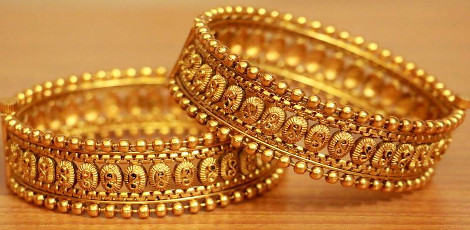
The cost of gold has decreased by Rs. 100 per gram on Tuesday Morning (04.11.2025). The cost of the gold rate has decreased by Rs. 800 per sovereign.
The gold rate has decreased and one sovereign is worth Rs. 90000.00 and a gram is Rs. 11250.00.
The cost of 1 gram of pure gold (24 K) is now Rs. 12273.00.
A kilo of silver is priced at Rs. 165,000.00 and a gram is worth Rs. 165.00.
by vellorecity | Nov 4, 2025 | News
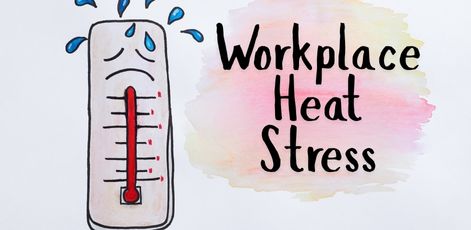
What Is Workplace Heat Stress?
Workplace heat stress occurs when the body overheats due to a combination of metabolic heat, environmental conditions, and clothing worn. When the body cannot cool itself effectively, it leads to physiological heat strain, which can cause exhaustion, serious illness, or even death.
Who Is Affected?
Globally, over 2.4 billion workers are exposed to extreme heat at work, resulting in around 22.85 million occupational injuries every year. More than one-third of workers who frequently work in hot conditions experience significant heat-related strain.
Health Effects of Heat Stress
Prolonged exposure to heat can cause:
– Hyperthermia (dangerously high body temperature)
– Fainting or dizziness (syncope)
– Dehydration and kidney problems
– Neurological dysfunction
– Heat exhaustion and heat stroke
A major study found that 35% of people who work regularly in hot conditions experience heat-related illnesses. Worker productivity can drop by 2–3% for every 1°C rise above 20°C in Wet-Bulb Globe Temperature (WBGT), a measure that factors in temperature, humidity, sunlight, and wind.
Are Indoor Workers at Risk Too?
Yes. Heat stress doesn’t only affect outdoor workers. Those working near furnaces, in greenhouses, coal mines, or poorly ventilated factories face similar risks. Workers wearing protective suits or heavy gear are especially vulnerable due to restricted heat loss.
Safe Temperature for Work
For an eight-hour shift, a worker’s core body temperature should stay below 38°C. Exceeding this limit increases the risk of heat-related injuries, especially for older adults, pregnant women, people with chronic conditions, and outdoor laborers.
Warning Signs to Watch For
Mild symptoms include:
– Heat fatigue
– Rashes
– Cramps
– Dizziness
Severe symptoms needing immediate medical attention include:
– Heat exhaustion
– Heat stroke (a life-threatening emergency with confusion, loss of consciousness, and extremely high body temperature)
Who Is Most at Risk?
– Older and middle-aged workers
– People with chronic health coconditions
– Those performing heavy manual labor
– Migrant workers, who may not be acclimatized to the climate and often lack access to protective measures
How to Prevent Heat Stress – Key Safety Tips
1. Stay Hydrated – Drink water frequently, even before feeling thirsty.
2. Take Regular Breaks – Rest in shaded or cool areas.
3. Wear Light Clothing – Choose breathable, loose-fitting garments.
4. Monitor Temperature – Keep track of WBGT or local heat advisories.
5. Plan Work Wisely – Schedule heavy tasks during cooler parts of the day.
6. Educate Workers – Train teams to recognize early heat stress symptoms.
7. Implement Heat Action Plans – Follow WHO’s Occupational Heat Action Programme with policies tailored to local conditions and worker needs.
In Summary
Heat stress is a growing occupational hazard affecting millions worldwide. By recognizing the warning signs early, promoting awareness, and following preventive measures, both employers and workers can ensure a safer, healthier, and more productive workplace – even under extreme heat.