
by vellorecity | Nov 7, 2025 | News
திருப்பதி ஏழுமலையான் கோயில் அங்கப் பிரதட்சண இலவச டோக்கன் வழங்கும் நடைமுறையில் மாற்றம். ஆன்லைனில் வெளியிடும்போது முதலில் பதிவு செய்பவர்களுக்கு முன்னுரிமை அளிக்கப்பட்டு அதன் அடிப்படையில் டோக்கன்கள் ஒதுக்க தேவஸ்தானம் முடிவு.

by vellorecity | Nov 7, 2025 | News
மருத்துவமனைகள், பள்ளிகள், ரயில் நிலையங்கள், விளையாட்டு வளாகங்கள் உள்ளிட்ட அனைத்து இடங்களிலும் இருந்து தெருநாய்களை உடனடியாக அகற்ற வேண்டும். கருத்தடை மற்றும் தடுப்பூசி பிறகு மீண்டும் அதே இடத்தில் விடக்கூடாது. அவற்றை முறையான தங்குமிடங்களுக்கு மாற்ற வேண்டும் என உச்சநீதிமன்றம் தெரிவிக்கப்பட்டுள்ளது.
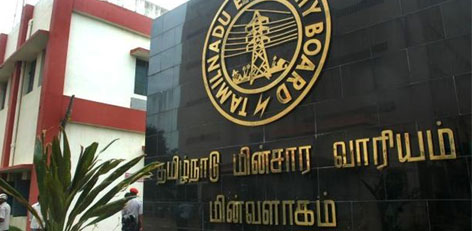
by vellorecity | Nov 7, 2025 | How to apply, News
Service Code, Department Charges, and Service Charge
– Service Code: TEB-601
– Department: Tamil Nadu Generation and Distribution Corporation (TANGEDCO)
– Service Charge: Based on bill amount as below:
| Electricity Bill Amount (₹) |
Service Charge (₹) |
| Up to ₹1,000 |
₹15.00 |
| ₹1,001 – ₹3,000 |
₹25.00 |
| ₹3,001 – ₹5,000 |
₹40.00 |
| ₹5,001 – ₹10,000 |
₹50.00 |
| ₹10,001 and above |
₹60.00 |
Purpose of the Service
This service allows TANGEDCO consumers to pay electricity bills easily through the Tamil Nadu e-Sevai Portal or Common Service Centres (CSCs). It provides secure and instant online payment with a downloadable receipt for record keeping.
Required Details
– Consumer Service Number
– Registered Mobile Number
– Valid Payment Method (Debit/Credit Card, Net Banking, or UPI)
Step-by-Step Process
1. Login to the TNeGA e-Sevai Portal
https://www.tnesevai.tn.gov.in or visit a nearby CSC Centre
2. Select Service: Choose TANGEDCO Services – TEB-601 Electricity Bill Payment
3. Enter Consumer Number and verify bill amount and details displayed
4. Confirm Payment: Select payment mode and make the payment securely
5. Download Acknowledgement: Save or print the payment receipt for reference
Important Notes
– Full bill payment only – partial payments are not allowed
– Instant receipt available immediately after payment confirmation
– Secure transaction: All payments processed through authorized payment gateways
– CSC Assistance: Applicants can visit nearby CSCs for help with bill payment
Disclaimer: The details mentioned in this document are intended for reference only and are based on publicly available data. Official information, rules, and procedures may be subject to changege. Applicants are advised to verify with TANGEDCO or the Tamil Nadu e-Sevai portal before proceeding.

by vellorecity | Nov 7, 2025 | News
The price of gold in Chennai has started to decline once again. After witnessing an upward trend over the past few days, the slight dip has renewed interest among buyers, especially middle-class families and small investors. The recent surge in gold prices had reduced the purchasing power of the public, but the latest decrease has brought relief and optimism ahead of the festive and wedding season.
As of today, the price of gold in Chennai has fallen by Rs. 50 per gram, bringing the rate down to Rs. 11,270 per gram (22K). Similarly, the price of one sovereign has decreased by Rs. 400, now selling at Rs. 90,160. Jewellers say this is a favourable opportunity for customers planning gold purchases for weddings and other important events. The change in prices over the last 48 hours has boosted confidence among buyers.
In contrast, silver prices have remained stable. The price of 1 gram of silver continues at Rs. 165, while 1 kg of silver is unchanged at Rs. 1,65,000. The steady silver rate has ensured that household budgets remain unaffected.
Economists note that the earlier rise in gold prices was influenced by two key factors: global central banks increasing their gold reserves, and investors turning to gold as a safe investment amid global economic uncertainties. These conditions have led to frequent fluctuations in the gold market. However, the current slight decline is seen as a positive sign for consumers, especially with the upcoming festive and wedding season.

by vellorecity | Nov 7, 2025 | News
What Is Ageism?
Ageism refers to the stereotypes (how we think), prejudice (how we feel), and discrimination (how we act) towards others or oneself based on age. It affects attitudes, relationships, and behaviors across all stages of life.
Who Does Ageism Affect?
Ageism affects everyone. Children as young as four begin to recognize and internalize cultural age stereotypes. These stereotypes shape how they perceive others and themselves, leading to self-directed ageism at any age. Ageism often intersects with other forms of discrimination, such as those related to sex, race, or disability, worsening inequality and exclusion.
Where Is Ageism Seen?
Ageism is everywhere — in our institutions, workplaces, relationships, and even self-perceptions.
Examples include:
– Policies that ration healthcare based on age.
– Practices that limit young people’s decision-making opportunities.
– Patronizing behavior toward older or younger individuals.
– Self-limiting beliefs that arise from internalized stereotypes about what people can or cannot do at a certain age.
Is Ageism Really a Problem?
Yes. Half of the world’s population is ageist toward older people, and in Europe, younger people report experiencing more age discrimination than any other age group.
Ageism can:
– Damage self-esteem and erode solidarity between generations.
– Limit contributions from both young and older people.
– Harm health and longevity, causing poorer physical and mental health, slower recovery from illness, and earlier death (by an average of 7.5 years).
– Increase risky behaviors like poor diet, smoking, and excessive drinking.
In the United States, ageism costs approximately US$ 63 billion annually — one in every seven healthcare dollars for the eight most expensive medical conditions.
How Can We Combat Ageism?
Three proven strategies can reduce or eliminate ageism:
1. Policy and Law – Implement regulations that address age-based discrimination and protect human rights.
2. Educational Activities – Promote awareness, empathy, and accurate information about all age groups to challenge stereotypes.
3. Intergenerational Interventions – Create opportunities for interaction between generations, reducing prejudice and fostering understanding.
Final Thoughts
Ageism is a global issue that harms individuals, communities, and economies. By promoting equality, inclusion, and respect across all ages, we can build societies that value people of every generation.